
Why Sports Nutrition Matters
Sports nutrition helps protect the health of people who exercise and compete, while also supporting endurance, focus, and attention. Energy and nutrient needs change with age, gender, weight, height, sport type, and training frequency. The main aim of sports nutrition is to protect the athlete’s health and improve performance. An athlete who is properly nourished performs better than one who is poorly nourished. Their growth and development follow a steady pattern, body weight stays within the target range, and concentration improves.
What Does Sports Nutrition Mean?
Sports nutrition is the study and practice of diet and nutrition used to improve athletic performance and help athletes reach the highest possible level in physical activity.
An athlete’s diet must provide enough energy and enough fluids. Exercise burns more calories than rest, so athletes need more energy and nutrients. In general, an athlete’s diet should be high in carbohydrates, normal in protein, and slightly lower than normal in fat. Because athletes lose more fluid than non-athletes, water intake should be increased. On average, athletes may need between 2000-5000 calories per day. Each athlete’s calorie needs are different.
What Is the Ideal Body Weight and Fat Percentage for Athletes?
An athlete’s weight affects body fat, lean tissue, fluid mass, sports success, speed, strength and endurance. It is not enough to look at weight alone. You should also measure and assess body fat and muscle mass. In some sports, such as bodybuilding and weightlifting, body weight may be high. That is because muscle mass is high even when the fat ratio is normal.
The amount of body fat that influences body weight varies by gender and sport. For example, a male bodybuilder may have 6% body fat, while a male basketball player may have 15%. Female athletes can reach 20% body fat. The minimum body fat percentage for athletes is 5% for men and 12% for women.
Body Fat Calculator
BODY FAT PERCENTAGE CATEGORIES
| CLASSIFICATION | WOMAN (% FAT) | MEN (% FAT) |
| Essential Fat | 10-12 % | 2-4 % |
| Athletes | 14-20 % | 6-13 % |
| Fitness | 21-24 % | 14-17 % |
| Acceptable | 25-31 % | 18-25 % |
| Obese | 32 % | 25 % |
How Should Sports Nutrition Be?
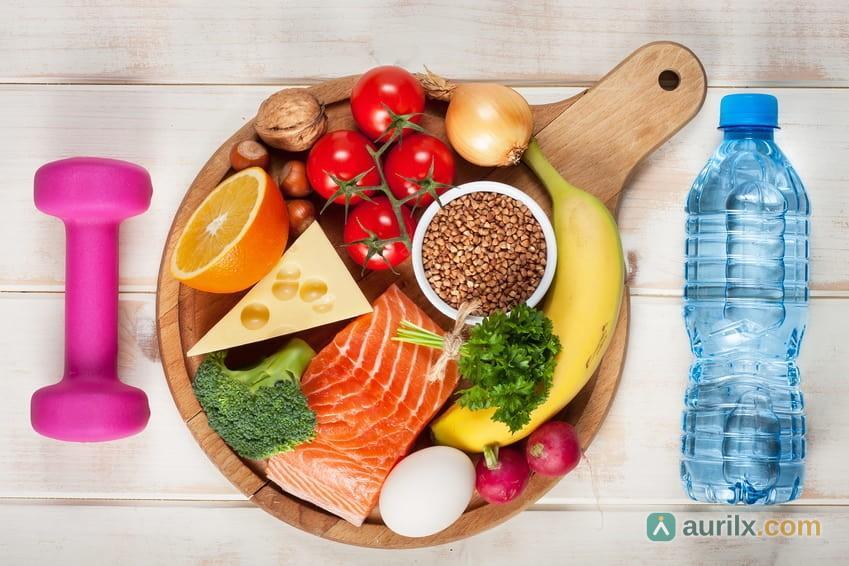
Exercise intensity, duration, and type directly shape your nutrition needs. The body uses more calories during exercise than at rest. For that reason, athletes need more energy and nutrients.
To prevent fatigue, weakness, and weight loss, replace daily energy use with the same amount of calories and build the sports diet around that need. The carbohydrate, protein, fat, vitamin and mineral values required by the sports nutrition plan should come from food. Carbohydrates are the body’s main energy source. For that reason, carbohydrate intake should be higher than protein and fat intake.
Energy
- The energy each athlete needs depends on age, height, weight, health status, and the sport they do.
- Too little energy can lead to weight loss and weakness. Make sure the body gets enough calories.
- Athletes may need between 2000-5000 calories per day. In endurance sports, this number may be higher.
Carbohydrate
- Carbohydrate foods are the main energy source, especially for athletes.
- Carbohydrates from food are stored as glycogen in the muscles and liver. Include complex carbohydrate sources such as rice, pasta, bread, vegetables and legumes in the athlete’s nutrition plan.
- A high-carbohydrate diet can increase glycogen stores 1.5-2 times. More glycogen means longer endurance. Because of this, carbohydrate sources should provide most of the daily energy intake. 60-65% of an athlete’s daily energy intake should come from carbohydrate foods. In endurance sports, this can rise to 70%. The amount of carbohydrate can also be calculated based on body weight.
In endurance sports such as marathon running, raising carbohydrate intake one week before the event and lowering training duration and frequency is called carbohydrate loading. With carbohydrate loading, muscle glycogen stores can increase by 50-100%.
Protein
- Protein plays a key part in shielding the body from outside microbes and in repairing worn tissues and exercise-induced muscle damage. An athlete’s protein requirement varies with gender, fitness level, exercise type, body weight, total daily energy needs, and carbohydrate intake.
- When exercising, especially if carbohydrate stores are very low, the body can also use protein for energy. This matters for athletes because of protein’s many roles. In short-duration exercise, protein sources do not supply energy to the body. In long-duration exercise, they provide only 2-5% of energy.
- Protein needs in high-level exercisers and athletes are about 1.5-2 times higher than in inactive people. Based on body weight, the recommended intake for endurance athletes is 1.2-1.4 g/kg per day, and for strength athletes it is 1.6-1.7 g/kg.
- You can meet protein needs with animal foods such as milk and dairy products, meat, eggs, fish, chicken, and legumes.
A sedentary person who does not exercise needs 0.8-1 g/kg/day of protein, while athletes need 1.2-1.8 g/kg/day. People who are new to sport should raise protein intake for the first 3-4 weeks to help increase muscle mass. Protein alone does not build muscle mass; training is very important. Excessive protein intake places strain on the liver and kidneys, causes calcium loss, and leads to dehydration. Protein should make up 12-15% of daily calorie needs.
Oil
- To help the body absorb the fat-soluble vitamins A, D, E and K and to prevent digestive issues, include fat-containing foods in the diet.
- Fat can serve as an energy source for the body, especially during long-duration aerobics. For that reason, even the leanest athlete needs fat in the body.
- Athletes should get 20-25% of daily energy from fat.
- Because too much fat can reduce carbohydrate intake, these amounts should not be exceeded in the sports diet program and sports nutrition scheme.
- Research has shown that fat intake below 15% of daily energy can harm performance. For that reason, avoid both very high and very low fat intake.
If fat intake rises and carbohydrate intake falls, performance suffers. Athletes should avoid very fatty foods such as mayonnaise, cream, butter, and chips, choose liquid oils instead of solid fats, and use low-fat dairy products.
Vitamins
- The role of B group vitamins is especially important for athletes.
- B group vitamins such as thiamine, riboflavin, niacin and biotin help produce energy during exercise.
- Folic acid and vitamin B12 are important for protein synthesis, tissue building and repair.
A healthy diet provides enough vitamins and minerals. Fat-soluble vitamins are vitamins A, D, E, and K, while B group and C vitamins are water-soluble. Each vitamin has essential functions in the body. Some water-soluble vitamins are needed for energy production during sport, while others support oxygen transport by contributing to the structure of red blood cells. Vitamins are also essential for protein synthesis and tissue repair. For this reason, vitamins are very important for athletes. An athlete with a sufficient and balanced diet does not need external vitamins. Taking too many vitamins does not improve performance. Excess water-soluble vitamins leave the body in urine, while excess fat-soluble vitamins can cause vitamin excess called “hypervitaminosis”.
Minerals
- Minerals are effective in nerve conduction, muscle contraction and oxygen transport in athletes. The most important minerals for athletes are calcium and iron.
- Calcium helps control blood coagulation, nerve conduction and heart rate. Milk, yoghurt, cheese, oilseeds, legumes and green leafy vegetables are among the calcium source foods.
- Iron mineral carries oxygen to the muscles. Oxygen is required for energy production. If iron mineral in the blood is too low, the athlete may tire quickly. For this reason, iron mineral is important for athletes. Liver, red meat, green leafy vegetables, molasses, dried fruits and legumes are among the foods that contain iron mineral.
- If the athlete is vegan, has a bad nutritional habit, is pregnant, has anemia, has menstrual bleeding, and consumes too much smoking and alcohol, vitamin and mineral supplements can be used.
Liquid
- Water makes up 55-70% of body weight, depending on how much muscle is in the body. Athletes who keep their body fluid balance during exercise have also been observed to perform better.
- If fluid is insufficient, that is, in dehydration, performance is negatively affected.
- To keep body fluid balance, athletes should drink 400-600 ml of fluid 2-3 hours before exercise; they should drink 150-350 ml of water at the start of exercise and every 15-20 minutes after that.
- This fluid can be water or a sports drink. Sports drinks contain some carbohydrates, along with minerals lost in sweat. Preferred sports drinks should contain 4-8% carbohydrates, and these drinks should be consumed over 1 hour of exercise.
Nutrition Rules Before and After Sports
The goal of pre-sport nutrition is to remove hunger, supply energy and meet fluid needs. Many athletes choose to eat 2-4 hours before sports. Some athletes take carbohydrate foods 60 minutes before sports. Performance has been shown to improve when the pre-sport diet is high in carbohydrates. Athletes should never start sports hungry. Do not eat foods you have not tried before the sport. The pre-workout meal should be high in carbohydrates, moderate in protein and low in fat. Make sure this meal includes enough fluid. Do not eat foods that are hard to digest before sports. Avoid raw vegetables and fruits and dried legumes. Gas-producing foods should also be avoided.
If the sport lasts too long, the athlete can eat something with carbohydrates in the second hour of the sport. After exercise, remember that getting enough carbohydrates and protein is important for recovery.
What Should We Eat for Fast Muscle Development?
Muscle growth depends most on amino acids and protein-rich foods. In the first 3-4 weeks after starting sports, protein sources are especially important for muscle development. During this period, the needed protein should naturally come from food. Muscle growth increases when training and diet are combined.
To support muscle development, include high-quality protein foods in your sports nutrition plan. Lean meat, fish, poultry, milk, yogurt, eggs, and legumes are all rich in protein. Eggs, one of the key foods after breast milk, are a high-quality protein source and should be eaten at breakfast.
Eating too much protein does not mean muscle mass will rise at the same pace. Remember that very high protein intake can harm the kidneys and liver.
Should Athletes Consume Ergogenic Products?
Today, both amateur and professional athletes often use supportive products to replace lost energy or help muscle growth. The market offers many ergogenic products, including athletic products, creatine, protein powder, ginseng and vitamins. Before using them, consider factors such as age, gender, the sport involved, and whether the athlete is amateur or professional.
Check the health and performance effects of these products before use. For ergogenic products to improve performance, choose the right product and use it at the right time and in the right amount. Professional guidance is therefore necessary. A doctor and dietician should be consulted before use to help prevent harmful health effects.
How Right Is Using Protein Powder for Muscle Building?
Body building is a method of developing body muscles and is becoming more common worldwide, especially among men. These individuals usually have the highest muscle mass levels and aim to keep body fat at the lowest possible level. The use of commercial products for this purpose has increased around the world.
The most commonly used commercial products include protein powders, creatine and steroid hormones. Before using these muscle-building products, you should understand how they affect the body. Protein powders are the best-known option and are especially popular with weight trainers. If you increase the protein you get from food, you may not need protein powders.
Still, in some situations, especially during heavy training periods, food may not provide enough protein and these products may be needed. First, meet your protein needs with food; if that is not enough, try these products. Even during intense training periods, you need a maximum of 2 g / kg of protein per day.
4 Nutrition Tips for Athletes
1) Increase your carbohydrate consumption
Carbohydrate is the body’s main energy source, and the energy used during training comes from glycogen stores. Glycogen stores must be adequate for better performance, quicker fatigue prevention and a longer endurance period for the athlete. In a sports diet, about 60-65% of daily energy should come from carbohydrate sources. In sports diet and sports nutrition programs, choose complex carbohydrate sources such as brown bread varieties, whole wheat pasta, bulgur pilaf, legumes and vegetables.
2) Eat 3-4 hours before training
Before training, add carbohydrate-based foods such as pasta, vegetables, bread and fruit to meals to improve endurance and performance. Do not eat foods that may cause gas and indigestion, such as cabbage, radish, cauliflower and dry beans, before training. Do not try a food before training if you have never eaten it before.
3) get enough protein
Too much protein can cause serious harm, especially to the kidneys. So, calculate and consume an amount of protein that suits your body weight and gender, especially in sports nutrition and athlete diet programs. Choose protein sources such as red meat, chicken meat, legumes, eggs and milk instead of supplements. It is better to select fat-free or reduced-fat versions of these foods.
4) Increase fluid consumption
Enough fluid intake helps prevent dehydration and replace electrolytes lost through sweating. You can tell if fluid intake is too low by looking at urine color. Pale yellow urine shows adequate fluid intake; bright yellow and dark urine indicate insufficient fluid consumption. A weight loss of 1.5-2 kg during the day also shows fluid loss and too little fluid in the body. In a sports diet, make sure to drink 400-600 ml of fluid 2-3 hours before exercise.
Example Athlete Diet and Sports Nutrition Program
The prepared sports diet list averages 2200 calories. Portions and food choices may vary depending on a person’s physical characteristics. The list below is a sample athlete diet list nutrition program. It is recommended that you consult a Dietitian for personalized diet lists.
In the morning:
- 2 glasses of water
Breakfast:
- Mushroom / curd omelet made with 1 whole egg + 2 egg whites
- 2-3 slices of whole wheat bread
- 50 g low-fat feta cheese
- 5-6 olives
Snack:
- 1 portion fruit + 15 raw almonds or hazelnuts
Noon:
- Salad made with 200g grilled chicken or boiled chicken
- 1 bowl of yogurt
- 2-3 slices of whole wheat bread
Snack:
- 200 ml milk or kefir + 2 dried figs
Evening:
- 150 g grilled lean beef or meatballs
- Grilled vegetables or 1 serving of olive oil vegetable meal
- 1 serving whole wheat pasta
Night:
- 200 ml light milk