
Iron’s primary job in the human body is to transport oxygen. It is needed to make red blood cells, which deliver oxygen to the entire body, and it also plays a key part in maintaining a healthy immune system. When iron is lacking, your body cannot make enough red blood cells, and iron deficiency anemia can develop. If you notice fatigue, weakness, restless sleep, or trouble concentrating, you should have a blood test to check for iron deficiency. You can meet your iron mineral needs, one of the body’s basic building blocks, by adding iron-rich foods to your daily diet.
What is iron?
Iron is a vital part of hemoglobin, the substance that allows red blood cells to carry oxygen around the body, and it is also important for cell growth. Two-thirds of the body’s iron is found in hemoglobin. The human body relies on iron for many essential physiological functions. It is an essential element for all living organisms because it takes part in many metabolic processes, including DNA synthesis and electron transfer.
It is an essential mineral needed for the production of different enzymes in metabolic processes, the use of B vitamins, and the body’s absorption of copper and calcium. At the same time, too much iron can create free radicals and cause harm because of its concentration in body tissues. For that reason, foods that contain iron should be eaten in a balanced way.
Why is iron important for human health?
Iron deficiency can leave you physically tired and weak, reduce mental function, and weaken the immune system. It can also lead to shortness of breath, headache, irritability, dizziness, or anemia.
With more severe iron deficiency, known as iron deficiency anemia, symptoms such as heart palpitations, brittle nails, pale skin, thinning hair strands, itchy skin, mouth sores, headache, loss of appetite or ulcers may appear. Menstruating women, especially those who do not eat foods containing iron, are at high risk of iron deficiency.
On the other hand, too much iron in the body can poison certain organs and even lead to death. For this reason, keeping iron balance in the body properly is essential for health.
What are the benefits of iron mineral?
- It supports mental and physical performance by carrying oxygen to the brain and muscles.
- Iron is necessary before healing can start. By increasing hemoglobin, which delivers oxygen to damaged organs and cells, it helps limit damage in injuries or menstrual blood loss.
- It is a mineral that supports growth. It helps both the physical and mental development of children during the growth period.
- It improves body resistance. It strengthens the immune system and boosts the activity of warrior cells against disease.
- It reduces fatigue. It removes the tiredness and weakness that iron deficiency can bring into daily life.
- It increases muscle strength. Muscle weakness and iron deficiency are linked. Enough iron provides the oxygen needed for muscle contraction. It also lowers the chance of muscle soreness and muscle inflammation.
- It improves concentration. Studies have shown that cognitive levels decline when iron in the blood drops. Adequate iron levels support better cognitive performance.
- It helps prevent bruising on the skin. Platelet production and function, which control blood clotting, are affected by hemoglobin. Adequate iron levels can help prevent rapid bruising on the skin.
- It supports healthy sleep. Studies show a connection between iron deficiency and restless sleep, sleep apnea, and insomnia.
- Iron is also needed to maintain healthy cells and keep skin, hair and nails strong.
Foods containing iron
Foods containing iron are grouped into animal and plant sources: iron from animal foods, called “heme iron”, is found in meat and fish. Red meat and seafood are good sources of iron, and many plant foods also provide plenty of iron.
Iron from plants is called “non-heme iron”; It is found in iron-fortified foods such as legumes, dark leafy greens, and breakfast cereals.
Heme iron is absorbed better than non-heme iron. Because of this, the recommended daily iron intake for vegetarians and vegans is 1.8 times higher than for meat eaters. The recommended daily amount for adult men and postmenopausal women is 14 mg, while for menstruating women this amount is 32 mg and for pregnant women 49 mg.
Shellfish
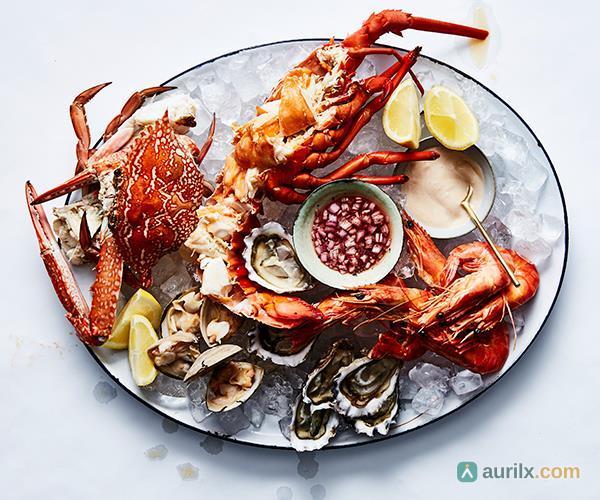
Shellfish are rich in iron. Oysters and mussels are especially good sources. The iron in shellfish is heme iron, which the body absorbs easily. A 100 g serving of oysters can contain up to 28 mg of iron. Even so, the iron content of oysters varies greatly, and some types contain little iron.
Shellfish are highly nutritious and can raise healthy cholesterol levels in the blood. Still, you should avoid overdoing it because some fish and shellfish contain mercury and toxins.
Spinach
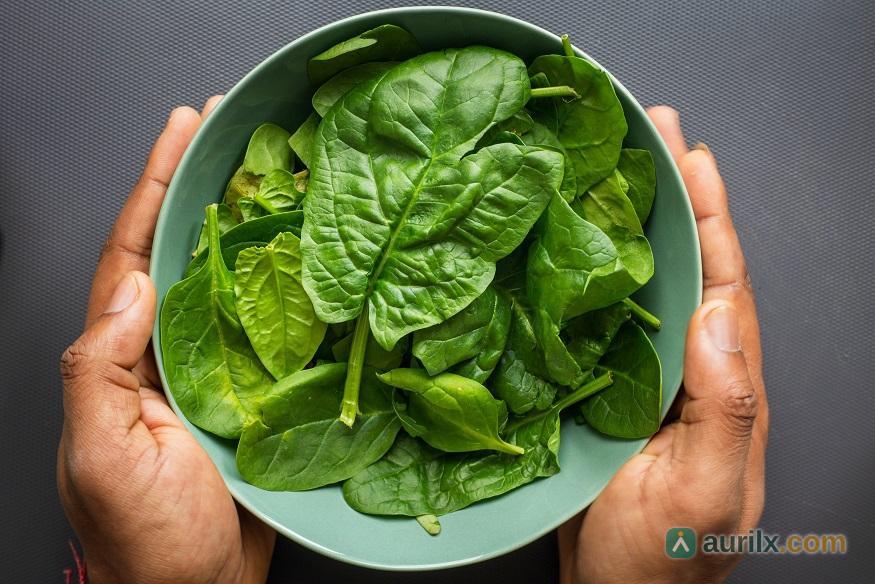 Spinach is a dark green leafy plant that is low in calories and provides fiber, vitamins, minerals and antioxidant benefits. The vitamin C it contains helps the iron in spinach absorb well. 100 g of cooked spinach contains 3.6 mg of iron. Spinach is also rich in carotenoids, antioxidants that lower cancer risk, reduce inflammation and protect the eyes from disease. Eating spinach with a healthy oil such as olive oil helps activate the antioxidants it contains.
Liver and other offals
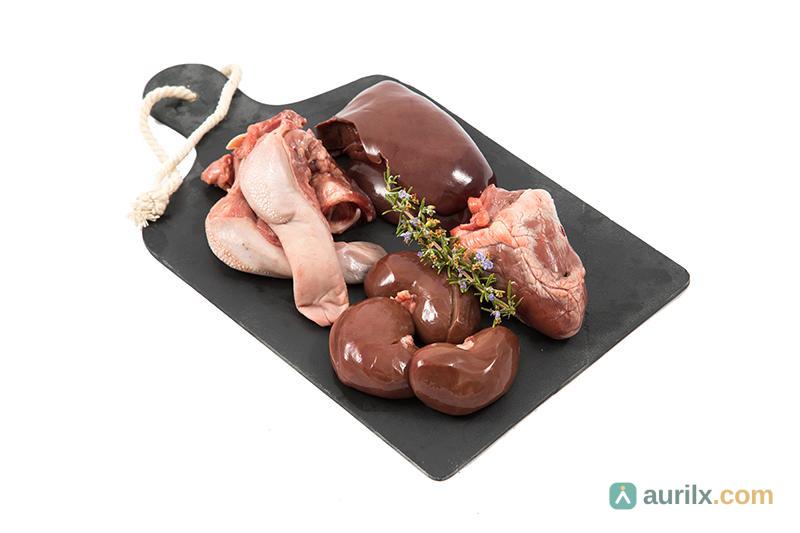 Of the most nutrient-dense offal meats, liver, kidneys, brain and heart contain the most iron. 100 g of beef liver contains 6.5 mg of iron. Organ meats also provide plenty of protein, B vitamins, vitamin A, copper and selenium. Offal is also a source of choline, an essential nutrient for brain and liver health. People with heart disease should watch their offal intake because it is high in cholesterol.
Legumes
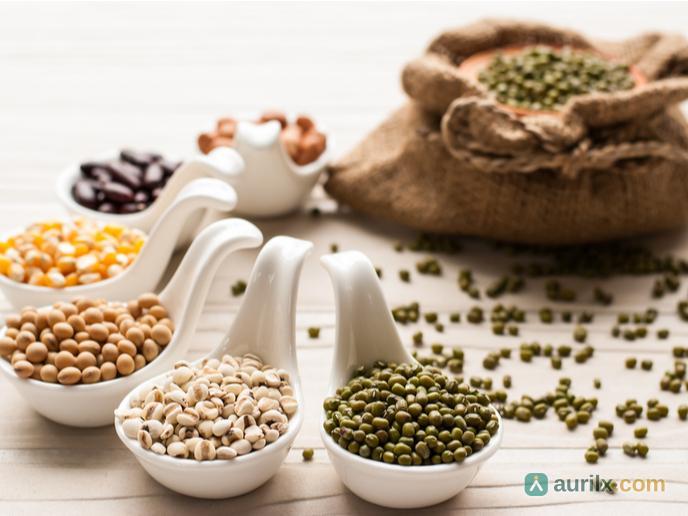 Beans, lentils, chickpeas, peas and soybeans are common legumes and an excellent iron source, especially if you follow a vegetarian diet. About 200 g of cooked lentils provides 37% of the recommended daily amount.
Legumes are high in fiber and also supply folate, magnesium and potassium. Pair them with vitamin C-rich foods such as tomatoes, greens or citrus fruits to help your body absorb more iron.
Red meat
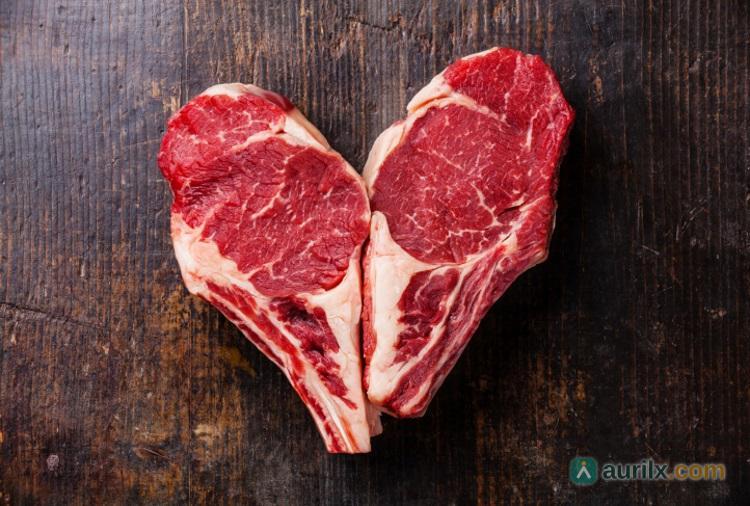 Red meat is a better iron source than white meat because it contains a large amount of iron and the body absorbs it easily. As one of the readily available sources of heme iron, it can be an important dietary option for people who are prone to anemia. 100 grams of ground beef meets 15% of the recommended daily amount of iron. Red meat also delivers B vitamins, zinc, selenium and high-quality protein. Even so, you need to keep red meat intake adequate and balanced because it is high in saturated fat.
Pumpkin seeds
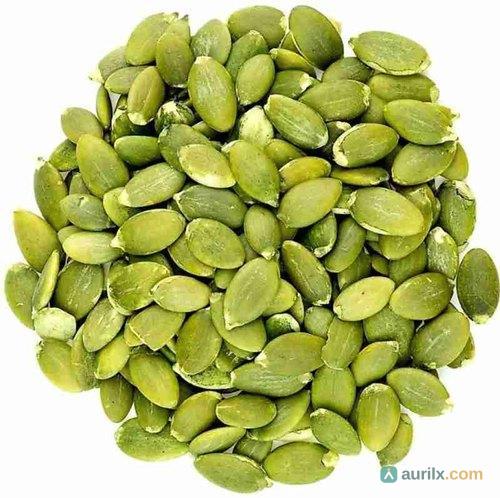 Pumpkin seeds make a tasty snack and rank among the iron-rich foods. About 30 g of pumpkin seeds contains 4.2 mg of iron, equal to 23% of the daily recommended amount. They also provide omega 3 fatty acids, plus magnesium, vitamin K, zinc and manganese.
Quinoa
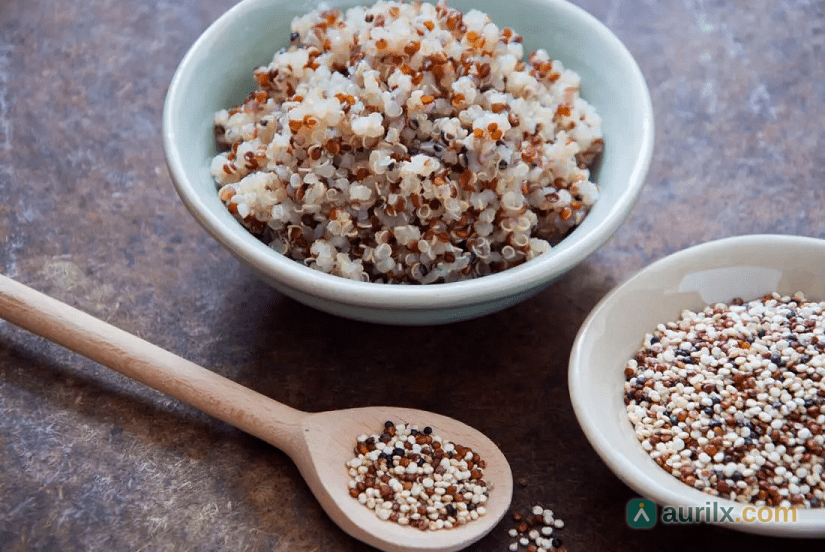 Quinoa is a grain-like plant. Its seeds are rich in vitamins A, B, C, D and K, magnesium, iron, zinc, calcium, protein and phosphorus. 190 g of cooked quinoa contains 2.8 mg of iron, which meets 32% of the recommended daily iron requirement.
As quinoa has begun to replace wheat and rice, two basic staple foods, it offers antioxidant properties and contains neither cholesterol nor gluten. It is a strong option for people with celiac disease or other gluten intolerance.
Plant foods with the most iron
Whether vegetarians or vegans can meet their daily iron needs depends on how carefully they plan their diet. Iron from animal foods is absorbed more easily, but you can still meet your daily needs with plant-based iron sources if you choose the right foods.
- Dark green vegetables such as spinach, silver beets, and broccoli
- Lentils and beans
- Nuts and seeds
- Grains such as whole wheat, brown rice, and fortified breakfast cereals
- Dried fruit
- Sesame, hemp and flax seeds
- Cashews, pine nuts and other nuts
- Potatoes
- oyster mushroom
- Sugar cane
What to do to increase iron absorption?
- You can increase iron absorption by 300% by consuming foods containing “non-heme iron” together with foods containing vitamin C.
- Drinking coffee and tea with meals can reduce iron absorption by 50-90%.
- Soaking, sprouting, and fermenting grains and legumes can increase iron absorption by reducing the amount of phytates naturally found in these foods.
- Food prepared in a cast iron skillet tends to provide two to three times more iron than those prepared in pots and pans made with different materials.