
Weight loss goals can feel confusing when advice keeps changing and myths keep piling up. Still, effective weight loss always rests on one core idea: energy balance. When you understand what energy is, how your body makes it, and how calories affect the process, you gain more control over your body weight, performance, and health.
In this article, you’ll learn about energy metabolism, macronutrients, calorie math, metabolic rate, and safe, evidence-based weight loss methods.
What Is Energy in the Human Body?
In biology and nutrition, energy means the body’s ability to do work—from lifting weights and walking to the store to keeping your heart beating.
Your body runs on this basic equation every day:
Energy In: the calories you get from food and drink
Energy Out: the calories your body uses for movement, basic body functions, digestion, and thermoregulation
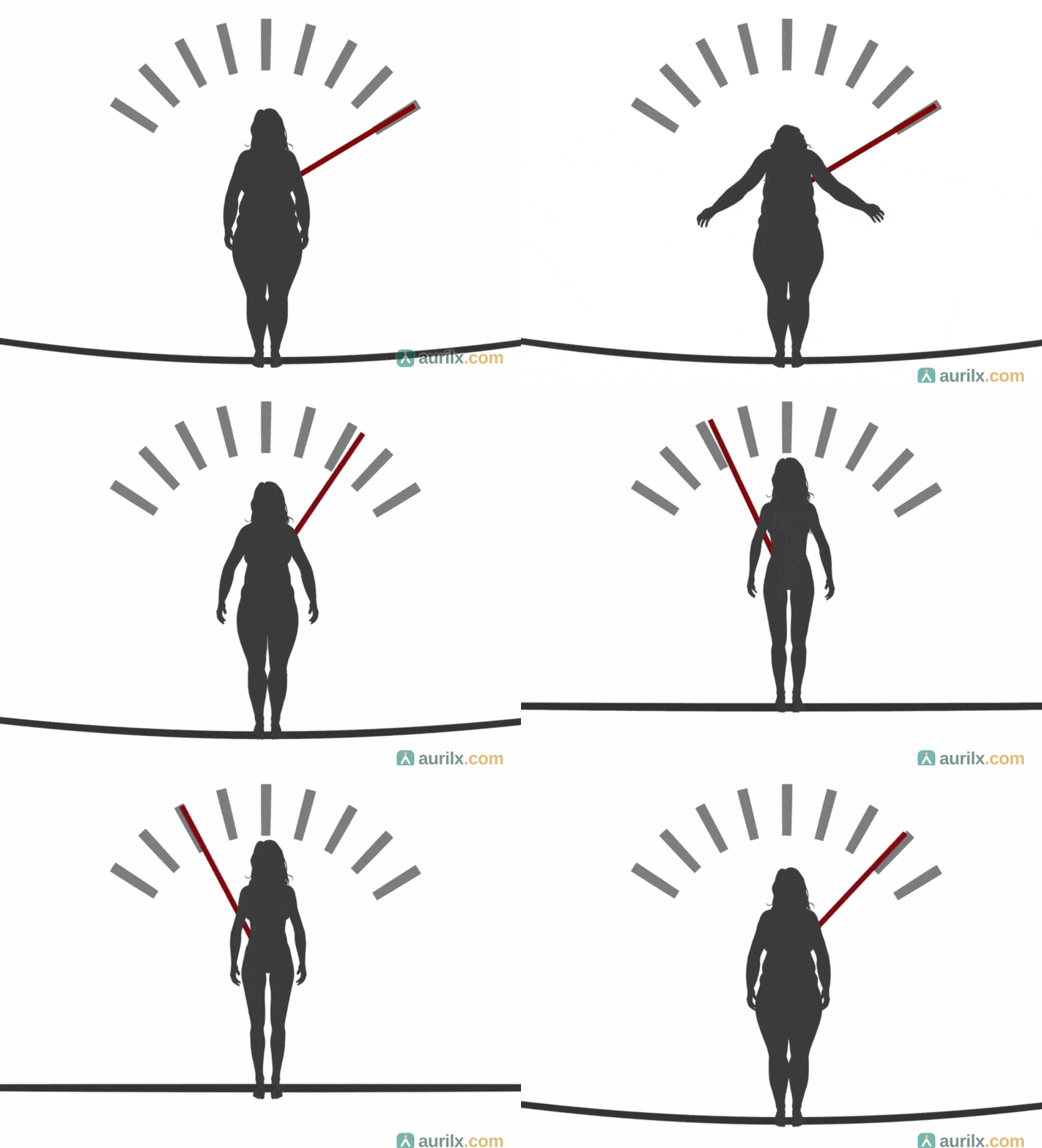
This is called energy balance. When energy in equals energy out, your weight stays the same. A deficit causes weight loss, and a surplus causes weight gain.
 Where Does Energy Come From?
Your body gets energy mainly from the food you eat, especially the three macronutrients:
Carbohydrates
Fats
Proteins
Digestion breaks these macronutrients into smaller, usable parts:
Carbohydrates → Glucose
Proteins → Amino Acids
Fats → Fatty Acids and Glycerol
After absorption, these molecules move into metabolic pathways that turn them into ATP (adenosine triphosphate)—the body’s main usable energy source.
What is ATP?
ATP is commonly known as the body’s “energy currency”. Your body stores and uses energy as adenosine triphosphate (ATP), a high-energy molecule that powers nearly every cell process. ATP is continuously broken down and rebuilt through metabolic pathways, especially during exercise and other activity. It supports nearly every cellular process, including:
Muscle contractions
Nerve signaling
Nutrient transport
Hormone production
But ATP is not stored in large quantities. Instead, your body must constantly regenerate it through three major energy systems.
How the Body Produces Energy
The human body makes energy through three main systems:
1. The Phosphagen System (ATP-PC System)
Used for: High-intensity, short-duration activities (e.g., sprinting, heavy lifting)
Duration: Up to 10 seconds
Fuel source: Stored ATP and phosphocreatine in muscle cells
This system is anaerobic, so it does not need oxygen, and it delivers immediate energy.
2. The Glycolytic System
Used for: Moderate to high-intensity activities lasting 30 seconds to 2 minutes
Fuel source: Glucose (from carbohydrates)
By-product: Lactic acid
This system is also anaerobic. It breaks down glucose into ATP quickly, but it cannot support long-term activity because lactic acid builds up.
3. The Oxidative (Aerobic) System
Used for: Long-duration, lower-intensity activities (e.g., walking, jogging, resting)
Fuel source: Carbohydrates, fats, and sometimes proteins
Duration: Continuous energy for hours
This system uses oxygen to produce ATP more slowly, but in larger amounts.
How Macronutrients Provide Energy
Each calorie you eat comes from one of the three macronutrients:
| Macronutrient | Calories per gram | Role in Energy |
|---|---|---|
| Carbohydrate | 4 kcal | Preferred fuel for the brain and muscles during activity |
| Protein | 4 kcal | Used for energy when carbs/fats are insufficient; mostly for tissue repair |
| Fat | 9 kcal | Energy-dense, ideal for low-intensity, long-duration activity |
What Happens to Excess Calories?
When energy intake is greater than energy expenditure:
Glucose is converted to glycogen and stored in the liver and muscles.
Once glycogen stores are full, excess glucose is converted to fat and stored in adipose (fat) tissue.
Similarly, excess protein or fat intake also contributes to fat storage.
By contrast, if your body does not get enough calories to cover its needs, it draws on these energy stores—first glycogen, then fat, and in prolonged deficits, lean muscle.
Understanding Calories: Energy Measurement
A calorie is a unit used to measure energy. Scientifically, one kilocalorie (kcal) is the energy required to raise the temperature of 1 kilogram of water by 1°C.
On food labels:
“Calorie” = “kcal”
So when a snack contains 150 Calories, it provides 150 kilocalories of energy.
Caloric Values of Macronutrients:
1 gram of carbohydrate = 4 kcal
1 gram of protein = 4 kcal
1 gram of fat = 9 kcal
1 kilogram of body fat = ~7,700 kcal
That means losing 1 kg of fat requires creating a 7,700 kcal deficit over time.
How Many Calories Should You Eat per Day?
Daily calorie needs differ a lot depending on:
Age
Sex
Weight
Height
Muscle mass
Activity level
Lifestyle (sedentary vs. active)
Use this estimated daily calorie needs chart for maintenance:
| Category | Sedentary | Moderately Active | Active |
|---|---|---|---|
| Women (19–30 yrs) | 1,800–2,000 | 2,000–2,200 | 2,400 |
| Women (31–50 yrs) | 1,800 | 2,000 | 2,200 |
| Men (19–30 yrs) | 2,400–2,600 | 2,600–2,800 | 3,000 |
| Men (31–50 yrs) | 2,200–2,400 | 2,400–2,600 | 2,800–3,000 |
For weight loss, create a calorie deficit of 500–750 kcal/day. That usually leads to 0.5 to 1 kg of weight loss per week, a steady and healthy pace.
Understanding Metabolism and Calorie Burn
Metabolism covers every chemical process your body uses to turn food into energy. Your body’s daily calorie requirement is known as Total Daily Energy Expenditure (TDEE). It includes several parts:
1. Basal Metabolic Rate (BMR)
Calories required to keep basic life functions going (breathing, organ function, temperature regulation)
Accounts for about 60–70% of your daily energy use
2. Thermic Effect of Food (TEF)
Energy spent digesting, absorbing, and metabolizing food
Around 10% of total daily calories
3. Physical Activity
Every movement, from walking to lifting weights
Varies widely; exercise can significantly increase TDEE
4. Non-Exercise Activity Thermogenesis (NEAT)
Movement that is not exercise, such as fidgeting, housework, or walking to the mailbox
Often overlooked, but can significantly affect weight loss
Exercise and Calorie Deficit
Pair a healthy diet with physical activity to maximize fat loss. Here’s the role exercise plays:
Benefits of Exercise:
Raises calorie burn
Helps preserve muscle mass while losing fat
Improves metabolic rate
Boosts mood and lowers stress
Supports long-term weight maintenance
Recommended Physical Activity:
At least 150 minutes of moderate-intensity aerobic activity (e.g., brisk walking) or
75 minutes of vigorous activity (e.g., running) per week
Strength training 2+ days a week to maintain muscle
Strengthening Exercises Should Include:
Legs (squats, lunges)
Hips (hip bridges)
Back (rows)
Core (planks)
Chest (push-ups)
Shoulders (presses)
Arms (curls, extensions)
Sample Weight Loss Strategy
Let’s say your TDEE is 2,200 kcal. To lose fat:
Cut intake by ~500 kcal/day
New daily goal: 1,700 kcal
Add physical activity to burn ~200–300 kcal/day
Weekly deficit: (500 + 250) x 7 = 5,250 kcal
Approx. weight loss = 0.68 kg/week
Safe and Sustainable Weight Loss Tips
1. Lift Weights and Move Regularly
Resistance training builds muscle, which supports a higher metabolism and better body composition.
Muscle burns more calories than fat, even at rest.
2. Ignore the Scale—Focus on Performance
Track non-scale victories:
Are your clothes fitting better?
Are you feeling more energized?
Is your strength increasing?
The scale doesn’t show muscle gain or changes in water weight.
3. Do Not Starve Yourself
Very low-calorie diets slow your metabolism and increase the risk of muscle loss. Aim for no less than:
1,400–1,500 kcal/day for women
1,800 kcal/day for men
DAILY CALORIE CALCULATOR
4. Aim for a 15–20% Calorie Deficit
Skip aggressive calorie cuts. A moderate deficit is easier to sustain and lowers the risk of muscle loss.
BODY MASS INDEX (BMI)
Find out how to understand your BMI
- If your BMI is below 18.5: Your BMI is considered underweight. Keep in mind that an underweight BMI calculation may pose certain health risks. Please consult your healthcare provider for more information about BMI calculations.
- If your BMI is between 18.5 – 24.9: Your BMI is considered normal. This healthy weight helps reduce your risk of serious health conditions and means you’re close to your fitness goals.
- If your BMI is between 25 – 29.9: You’re in the overweight range. You are at increased risk for a variety of illnesses at your present weight. You should lose weight by changing your diet and exercising more.
- If your BMI is above 30: Your BMI is considered overweight. Being overweight may increase your risk of cardiovascular disease. Consider making lifestyle changes through healthy eating and fitness to improve your health. Individuals who fall into the BMI range of 25 to 34.9, and have a waist size of over 40 inches for men and 35 inches for women, are considered to be at especially high risk for health problems.
BODY FAT INDEX
BODY FAT PERCENTAGE CATEGORIES
| CLASSIFICATION | WOMAN (% FAT) | MEN (% FAT) |
| Essential Fat | 10-12 % | 2-4 % |
| Athletes | 14-20 % | 6-13 % |
| Fitness | 21-24 % | 14-17 % |
| Acceptable | 25-31 % | 18-25 % |
| Obese | 32 % | 25 % |
5. Watch “Fat-Free” Labels
Many low-fat or fat-free foods are high in sugar or processed starch. Choose whole, nutrient-dense foods first.
6. Prioritize Nutrient-Dense Foods
Reduce calories by limiting:
Sugary drinks
Processed snacks
Refined carbohydrates
Sauces and dressings
Choose these instead:
Lean proteins such as chicken, fish, eggs, and tofu
Fruits and vegetables
Whole grains such as quinoa, oats, and brown rice
Healthy fats such as avocado, olive oil, and nuts
7. Hydrate Strategically
Reach for water, herbal tea, or black coffee. Skip liquid calories unless you need recovery fuel, such as post-workout milk or smoothies.
Common Weight Loss Mistakes to Avoid
Cutting calories too aggressively and exercising too much
Checking your weight obsessively every day
Removing whole food groups without a clear reason
Depending only on cardio and not doing strength training
Missing meals, which can trigger binge eating later
Overlooking sleep—poor rest disrupts hunger hormones and recovery
Summary: Mastering the Energy Equation
Weight loss does not require perfection. It requires consistency. When you understand that energy balance is the foundation, you can shape your plan around your lifestyle and preferences with confidence.
Key Takeaways:
Calories measure energy.
To lose fat, use diet and movement to create a calorie deficit.
Safe weight loss = 0.5 to 1 kg per week.
Exercise helps preserve muscle, supports health, and raises calorie burn.
Focus on consistency, not restriction.
Final Thoughts
When you understand how your body uses energy and how to manage calories correctly, you can change your physique and support your health. For fat loss, muscle gain, or maintenance, it all begins with knowing energy balance.