
Citrulline malate is a non-essential amino acid. Your body makes it, and you can also get it from foods or supplements. During digestion, the kidneys convert it into arginine and other amino acids called nitric oxide. In this way, it helps the body access the different amino acids it needs.
What is Citrulline Malate?
Citrulline malate is a compound derived from the amino acid citrulline. When it is paired with malate, an important part of energy production, it becomes citrulline malate. This combination may help ease fatigue after training. Because it is non-essential, the body produces citrulline malate on its own. It helps build protein and creatinine in the body. It supports both protein and creatine synthesis, and it also helps combat harmful compounds formed in the urea cycle so they can be removed from the body.
It forms when citrulline malate combines with the malate anion. In this form, citrulline malate is an organic powder of malic acid. Even though it is an important amino acid for the body and the body makes it, some situations leave the amount too low. In those cases, you can get it from outside foods or from certain supplement products.
What is citrulline malate good for?
Citrulline malate turns into the amino acid arginine, which plays a key role in the release of nitric oxide in the kidneys. This leads to vasodilation, which helps deliver nutrient- and oxygen-rich blood to the tissues. More blood reaching the skeletal and muscular structures helps the body produce more energy. It also helps remove substances such as lactic acid that build up in the muscles after training. The result is less muscle fatigue and less muscle soreness after training.
Using more citrulline through supplements or food intake raises the amount of metabolites that support muscle mass and endurance. This can improve physical performance and endurance.
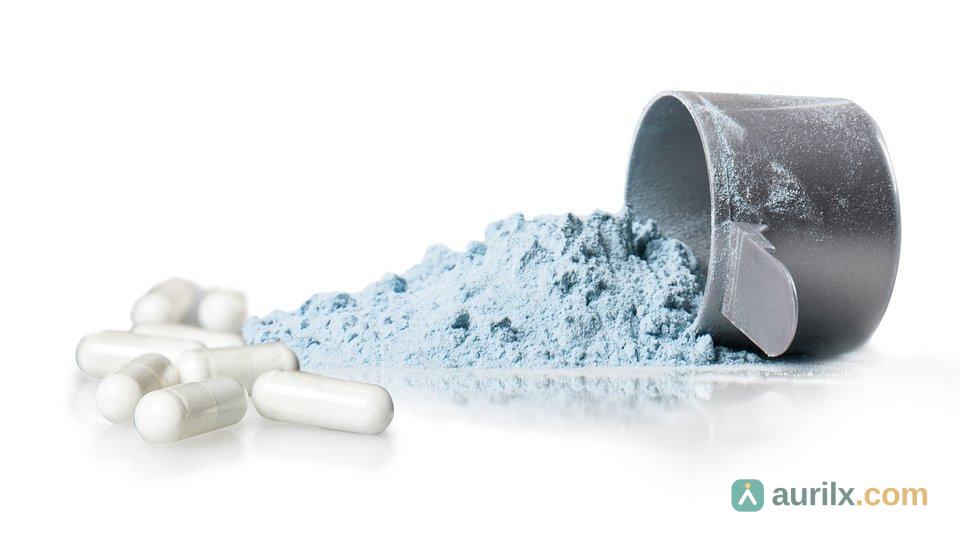
Citrulline Malate Benefits
Because citrulline malate comes from citrulline, many of its effects in the body are similar. Still, citrulline malate has these properties;
- They are used in the body by splitting into arginine and nitric oxides. ”Citrulline malate enhances nitric oxide production”
- Reduces performance degradation during training.
- It reduces post-workout muscle soreness.
- Increases stamina.
- It increases the blood in the veins and thus the width of the veins is provided.
- It develops the heart muscles.
- It reduces fatigue.
- Combined with some supplements, it accelerates your muscle growth.
Citrulline Malate Helps Reduce Muscle Fatigue While Increasing Endurance
How to Use Citrulline Malate
In the body, citrulline malate converts into the amino acid arginine, which increases nitric oxide production. Because of this, it supports cardiovascular health and can improve training performance. The recommended daily dose is about 6-8 grams of citrulline malate per day. Some pre-workout supplements include citrulline malate. Using these supplements can help you meet your citrulline malate needs.
Foods Containing Citrulline Malate
You can get citrulline malate from both food and supplements. Watermelon is one of the richest foods in citrulline malate content. Along with its natural citrulline content, watermelon provides vitamins A, B-6 and C, plus potassium, fiber and antioxidants, and lycopene. If we itemize them;
- The white part of the watermelon, close to the rind.
- watermelon juice
- Cucumber
- Onion and garlic
- Liver, meat and fish
- Chickpeas and beans
- Soy
- Peanut
- Dark chocolate
- Walnuts and almonds
- Pumpkin and gourd
Source: https://www.ncbi.nlm.nih.gov/pmc/articles/PMC7749242/