
Why Nutrition Matters in Bodybuilding
Bodybuilding is more than lifting weights. Resistance training creates the muscle damage needed for growth. But without a solid nutritional base, you will not reach the results you want.
Think of it like constructing a skyscraper. You need the best building materials. Your body also needs the right quality and combination of nutrients. That supports long-term gains and helps you build muscle in a healthy way.
Nutrition plays a large part in muscle growth and retention.
As with fat loss, muscle gain depends on the right balance of training and nutrition. A bodybuilder’s basic diet will keep changing as muscle mass changes and nutrient needs shift. Each plan also varies depending on the goals you want to reach. So this is a broad overview, but remember that there is more than one way to get muscle-building results.
One point is well established, no matter what you eat: eat small meals often throughout the day. Those meals should include protein, fiber and complex carbohydrates.
In general, bodybuilders may need between 2000-5000 calories per day on average. Calculate your calorie needs here.
Macronutrients
Macronutrients, or macros, are three general types of nutrients that provide energy to a person. They are:
Proteins: 25–30% of calories from protein
Carbohydrates: 55–60% of calories from carbohydrates
Fats: 15–20% of calories from fat (1).
Proteins for the Bodybuilder Diet
Protein is arguably the most important nutrient in bodybuilding. Amino acids are the building blocks for more than muscle, but they are essential for building and repairing muscle tissue. If your goal is to increase muscle size, you need more protein than the average daily amount. The exact amount depends on who you ask. Athletes should consume a minimum of 1,5 – 2 grams of protein for every kilogram of body weight each day.
Because your bodybuilding diet and pre-training meals will include more protein, make sure you know which other nutrients help your body absorb and process the protein source. You do not want to overtax your vital organs. Keep the liver and kidneys cleansed with plenty of hydration. And if you are consuming whey protein then be sure that you’re getting the right vitamin mix to protect your heart.
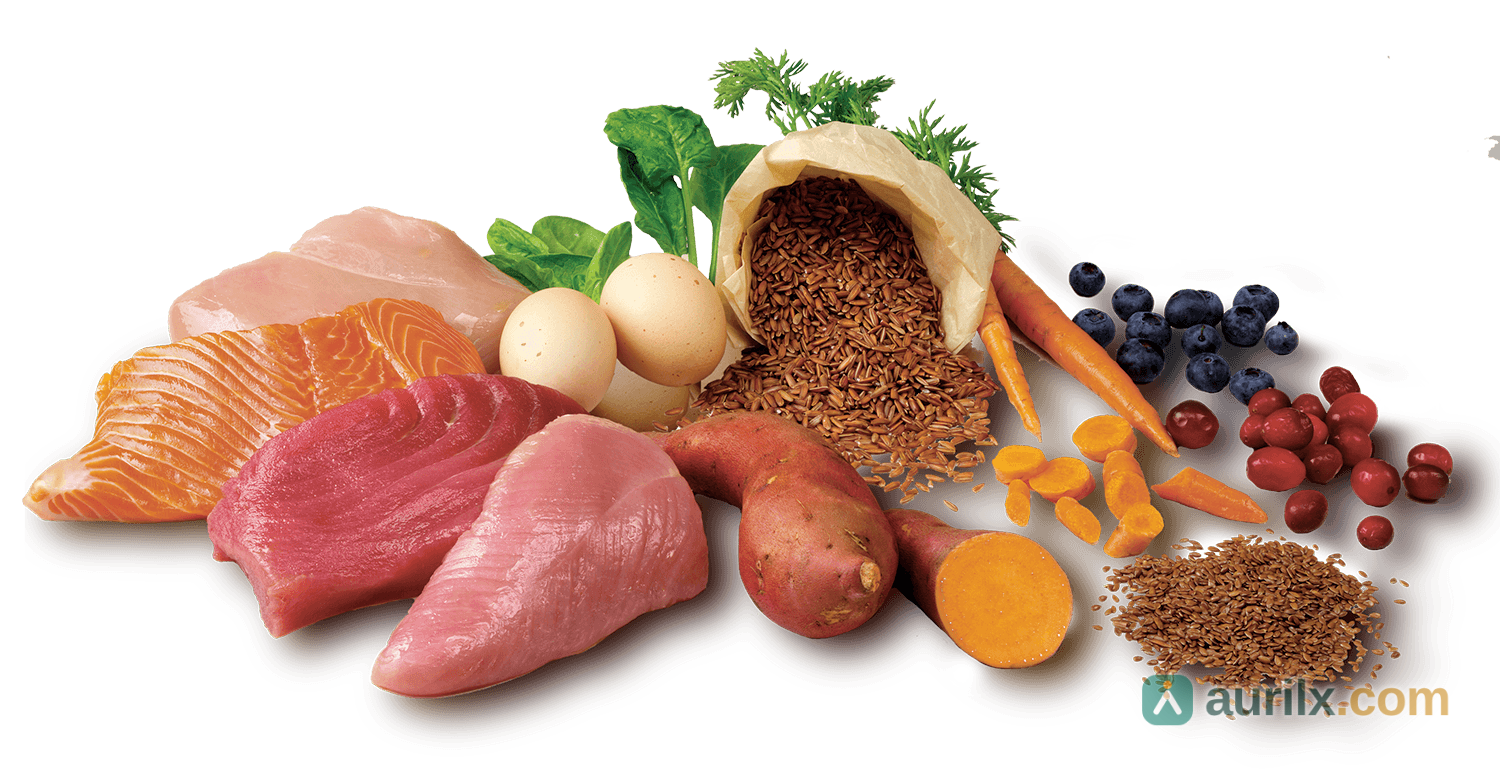
Protein-containing foods: Breast chicken or turkey, fish (tuna, mackerel, salmon, etc.), low-fat beef or veal, tofu, pinto beans, eggs, yogurt (milk, soy milk), nuts (nuts, peanuts, almonds, pumpkin seeds)
For more information on bodybuilding workout plan, be sure to see this article: Click Here
List of High Protein Foods
| Food Source | Protein Content |
| Beef (average of all sources, lean) | |
| Raw 100g | 21g |
| Cooked 100g (130g raw) | 27g |
| Steak (average of all cuts, lean) | |
| Small 120g | 25g |
| Medium 150g | 37g |
| Large 220g | 54g |
| Extra large 300g | 74g |
| T-bone (with bone) | |
| Medium 250g | 55g |
| Large 350g | 77g |
| Mince | |
| Beef mince (regular) 100g | 17g |
| Beef mince (lean) 100g | 20g |
| Chicken | |
| Chicken (lean) 100g | 28g |
| Chicken (with skin) 100g | 25g |
| Pork | |
| Pork (lean cooked) 100g | 23g |
| Bacon (3 medium slices) | 6g |
| Ham (average 2 slices) | 8g |
| Game Meat | |
| Kangaroo 100g | 21g |
| Fish (average of all types) | |
| Small serve 100g | 25g |
| Medium serve 150g | 38g |
| Large serve 200g | 50g |
| Seafood (prawns, crab, mussels, oysters etc) 100g | 17g |
| Salmon (100g can) 80g drained | 17g |
| Tuna (100g can) 75g drained | 20g |
| Eggs | |
| 1 egg | 6g |
| Eggs scrambled (2 eggs with milk) | 13g |
| Milk | |
| Full cream (1 cup) 250ml | 8.5g |
| Low fat (1 cup) 250ml | 10g |
| Soy Milk (1 cup) 250ml | 5.5g |
| Yoghurt | |
| Natural 200g | 8g |
| Low fat 200g | 10g |
| Cheese | |
| Cheddar 30g | 7.5g |
| Cottage 30g | 4.0g |
| Ricotta 30g | 2.5g |
| Bread | |
| White (1 slice) 30g | 2.5g |
| Brown (1 slice) 30g | 3.5g |
| Wholemeal (1 slice) 30g | 6.0g |
| Rye bread (1 slice) 30g | 3.0g |
| Multigrain (1 slice) 30g | 3.0g |
| Soy and linseed (1 slice) 30g | 4.5g |
| Rice, Barley and Pasta | |
| Rice, white (cooked,1 cup) 150g | 4g |
| Rice, brown (cooked ,1 cup) 150g | 5g |
| Barley (raw) 100g | 8g |
| Spaghetti/ Macaroni / Fettuccine (cooked, 1 cup) 150g | 7.5g |
| Cereal {"seo_title":"Bodybuilder Diet: Carbohydrates, Fats, Vitamins","seo_description":"Learn the bodybuilder diet essentials: carbs, healthy fats, vitamins, minerals, water, and protein support for training.","content":" | |
| Weetbix (2 biscuits) 30g | 4g |
| Sultana bran (1cup) 48g | 4.5g |
| Nutrigrain (1 cup) 40g | 9g |
| Muesli (untoasted, 1/2 cup) 45g | 5g |
| Rolled oats (raw, 1/4 cup) 30g | 0.5g |
| Nuts and Seeds | |
| Almonds (25-30 nuts) 30g | 6g |
| Cashews (12-16 nuts) 30g | 6g |
| Pine nuts / macadamia 30g | 4g |
| Peanuts 30g | 7g |
| Linseed (2 tbsp) 25g | 8g |
| Pumpkin seeds (3tbsp) 30g | 7g |
| Lentils, Beans and Peas | |
| Lentils (raw) 100g | 29g |
| Chickpeas (raw) 100g | 20g |
| Soy beans (cooked, 1/2 cup) 100g | 16g |
| Baked beans (1/2 large can) 210g | 9.5g |
| Baked beans (large can) 420g | 19g |
| Bean salad (1/2 cup) 120g | 12g |
| Fruits and Vegetables | |
| Fruit, per serve | 0.5 – 2.0 g |
| Mixed vegetables (frozen 1/2 cup) | 2.5g |
| Side salad (average) | 0.5g |
| Brussel Sprouts (4-5 medium) 120g | 4g |
| Peas, fresh (3/4 Cup) 100g | 5.5g |
| Potato (medium) | 3g |
| Tufu and Tempeh | |
| Tofu (firm, raw) 100g | 12g |
| Tempeh (1 piece) 85g | 16g |
| Miso (1/2 cup) 140g | 16g |
Carbohydrates for the Bodybuilder Diet
Protein matters for muscle, but complex carbohydrates and healthy fats are what keep your energy levels high. If you do not match complex carb intake to the energy you use, your body will turn to protein for fuel, which can cause muscle loss. That works against muscle building.
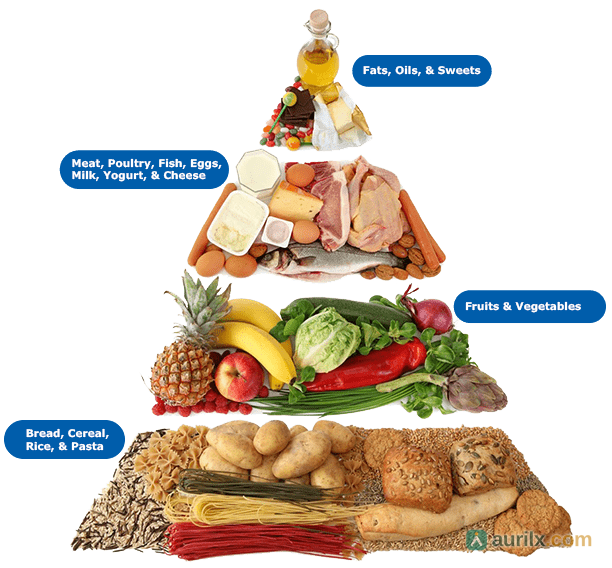
So, make sure your pre-training meal includes the right carbohydrate balance. The length of your session determines how much you need. For instance, endurance-focused training calls for a different carb calorie intake than weight training.
Your aim is to provide enough carbohydrate energy so your body does not need to draw on muscle stores for fuel.
Oils for the Bodybuilder Diet
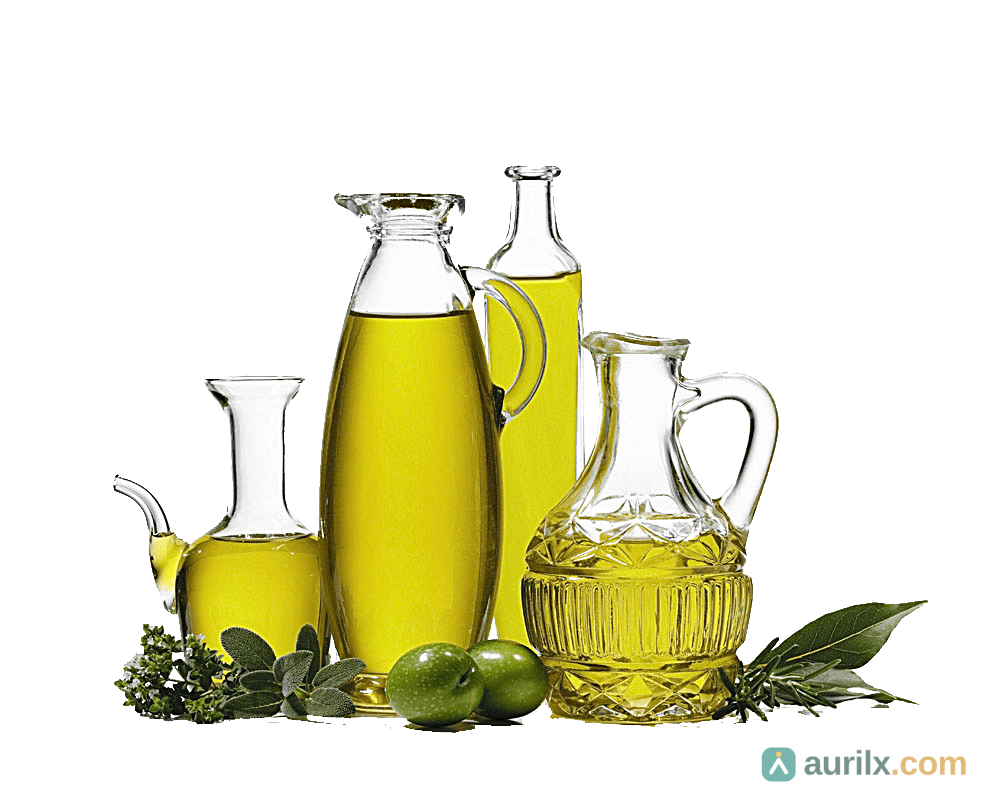
A bodybuilding diet should exclude saturated and trans fats. Even so, you still need enough fat to support metabolism and help the body use fat-soluble vitamins for hormonal functions. If you cut fat out completely, muscle growth can suffer when you train hard. Aim for about 15 percent to 20 percent of your daily calorie intake from healthy fats.
- Fat-containing foods are needed so the body can absorb the fat-soluble vitamins A, D, E and K and so you can avoid digestive problems.
- Fat can serve as a fuel source, especially during long-duration aerobics. That is why even the weakest athlete must have fat in their body.
- Too much fat can reduce carbohydrate intake, so do not go beyond these values in the sports diet program and sports nutrition scheme.
- Research shows that fat intake below 15% of daily energy can hurt performance. Avoid both very high and very low oil consumption.
Additional Nutrition
Along with the nutrients from meals, a bodybuilder diet should include appropriate supplementation of other vitamins and minerals.
Ideally, we would get every nutrient we need from whole foods. In reality, that is not always possible. This is especially true for athletes and for people whose lifestyles reflect the physical and mental demands of an athlete.
Still, supplementation is not just about producing something in a lab. Much of the research behind the best dietary supplements uses powerful nutrients from natural food sources and blends them in the proper mix to deliver strong nutritional support, helping you get the best results based on your training an environmental factors.
Daily meal planning is already hard enough. Some essential nutrients also cannot be consumed in adequate amounts from food sources alone.
Protein supplements, such as BCAA, support muscle recovery and growth. Take supplements immediately after exercise, when the body is better able to metabolize nutrients.
Another key part of optimal nutrition is enough water intake. Water makes up a large part of muscle tissue and is required for protein synthesis. It also plays a vital role in fat metabolism, reducing fluid retention and detoxification. You need to consume enough water to support your training.

Vitamins for the Bodybuilder Diet
Every vitamin plays an important role in the body. A healthy bodybuilding diet provides enough vitamins and minerals. Fat-soluble vitamins include A, D, E, and K, while B group vitamins and C are water-soluble. Some water-soluble vitamins help create energy during sport, while others support oxygen transport by contributing to the structure of red blood cells. Vitamins are also vital for protein synthesis and tissue repair.
- B group vitamins are especially important for athletes.
- B group vitamins such as thiamine, riboflavin, niacin and biotin help build energy during exercise.
- Folic acid and vitamin B12 are important for protein synthesis, tissue building and repair.
Minerals for the Bodybuilder Diet
Minerals play an important role in nerve conduction, muscle contraction and oxygen transport in athletes.
"}- For athletes, calcium and iron are the two key minerals.
- Calcium helps regulate blood coagulation, nerve conduction and heart rate. Good sources include milk, yoghurt, cheese, oilseeds, legumes and green leafy vegetables.
- Iron mineral helps transport oxygen to the muscles. Oxygen is essential for energy production. If the blood does not contain enough iron mineral, the athlete may fatigue more quickly. That is why iron mineral matters for athletes. Foods rich in iron mineral include liver, red meat, green leafy vegetables, molasses, dried fruits and legumes.
If the athlete is a vegan, has a bad nutritional habit, is pregnant, has anemia, has menstrual bleeding, and consumes too much smoking and alcohol, vitamin and mineral supplements can be used.
Liquid for the Bodybuilder Diet
Depending on muscle mass, water makes up 55-70% of body weight. Athletes who keep their body fluid balance steady during exercise have also been shown to perform better.
- When fluid intake is too low, dehydration can also reduce performance.
- To preserve body fluid balance, athletes should drink 400-600 ml of fluid 2-3 hours before exercise; It is recommended that they drink 150-350 ml of water at the beginning of the exercise and every 15-20 minutes afterwards.
- Preferred sports drinks should contain 4-8% carbohydrates and these drinks should be consumed over 1 hour of exercise.
How Should Pre-Workout Nutrition Be?
Eating the right nutrients before training can improve performance and also limit muscle damage. Here are some suggestions for pre-workout nutrition:
- You can eat a full meal 2-3 hours before training. For example, if you are going to exercise at 5 pm, you can have a full meal at 2 pm or 3 pm.
- If you will start training in 2-3 hours; lean protein source, a grain option such as rice, bulgur, pasta, and low-fiber fruits or vegetables can be consumed.
- Portion sizes vary according to the intensity of the sport, gender and body weight.
- If you will start doing sports in an hour or less; Yogurt and fruit or a protein bar with healthy ingredients can be consumed. If you will start training within 30 minutes; 1 large size banana and coffee can be consumed.
- Before training, foods that do not disturb the stomach and are easy to digest should be chosen. If possible, it should be chosen from previously consumed foods. A new food should not be tried before exercise or competition.
Example pre workout meal:
- Tuna and salad sandwich (wholemeal) and an apple,
- Bowl of oatmeal with 200grams of low fat yogurt and 50g almonds
- Chicken and vegetable stir fry with rice
- 30g of whey protein powder with 250–300ml of skim milk or water and a piece of fruit
Note: The main goal of pre workout meal is to keep you blood sugar levels consistent throughout your training session to prevent muscle catabolism (breakdown of muscle for fuel). Therefore low GI carbohydrates should form the basis of this meal in combination with lean sources of protein.
How Should Post-Workout Nutrition Be?
During exercise, muscles rely on glycogen stores for energy. As a result, muscle glycogen becomes partly depleted. After exercise, the body works to repair damaged muscle proteins and restore the glycogen that has been used up.
After exercise, you should consume the right amounts of carbohydrates and protein so the muscles can refill lost glycogen and repair with protein and amino acids.
For example;
- Grilled chicken / meatballs, rice / pasta and vegetables
- Whole grain bread and tuna salad
- Grilled salmon, baked potatoes and lots of salad
If you cannot eat after exercise, a small snack containing carbohydrates and protein such as banana and milk can be made within the first 30-60 minutes for the body to start the recovery process. It is vital to replace the fluid lost by sweating, so plenty of fluids should be consumed after sports.
Is there an ideal time to be eating your post workout meal? Most professional athletes are recommended to satisfy their glycogen window within the first 30mins with a snack, drink or shake and then aim for a balanced post workout meal to be consumed approximately 45-60 minutes after exercise, assuming that there is no more exercise to follow. This is normally achieved with a shake or sports drink as they leave the gym followed by a post workout meal when they get home.
Training: Bulk and Cut
For most competitive bodybuilders, the typical strategy involves bulking, or gaining muscle, for the majority of the year and 12-14 weeks of cutting, or losing fat before competition. During both phases, the athlete has to ensure he or she does not gain too much fat or lose too much muscle. It’s a delicate balance.
To build muscle without increasing body fat, the athlete must consume proper ratios of protein, complex carbs and beneficial fats. During bulking these ratios should equal 15-20 percent protein, 60 percent carbs and 20-25 percent fat.
A meal appropriate for the bulking phase would include:
- 95 grams of mackerel
- 60 grams of chicken breast
- 2 medium potatoes or 200 grams of brown rice or 350 grams of whole wheat pasta
- 1 cup of vegetables
- 4 ounces of low-fat yogurt
- 4-6 amino acid capsules
Bulking meals occur during the “off-season” before the weeks of intense cardio training begin.
During the cutting phase, pre-training meals include those that are consumed immediately before intense physical exertion. At this time, the meals should be made of 20-25 percent protein and 10-15 percent fat.
Cutting meals should contain carbohydrates that provide rapid energy:
- 4 eggs
- 1 slice of pineapple
- 2 hydrochloric acid tablets
- 250 mg of vitamin B6
- 1 cup of coffee
- 1 glass of water
This is just an example, so don’t think that you have to, or should, eat just those two meals for training…that’s just silly!
Planning and sticking to a bodybuilder diet takes much discipline. Patience, training and nutrition are the keys to achieving desired results. The right pre-training meals provide the means to get the best out of each session.