
Watermelon is a standout summer fruit for flavor and nutrition. It is low in calories and provides vitamins C and A. Because it is about 90% water, it helps meet hydration needs. The potassium and magnesium antioxidants it contains support digestion, heart health, and eye health. It may also help ease muscle soreness after exercise. Thanks to its low calorie count and high water content, it can support weight loss and help you maintain a healthy weight. In this article, you will find detailed information about watermelon’s benefits and the recently popular watermelon diet.
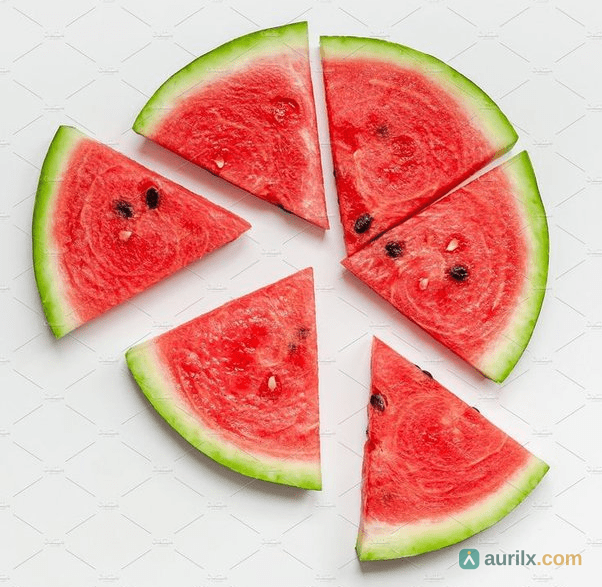
What vitamins are in watermelon?
Watermelon provides vitamin C, vitamin A, vitamins B1, B5 and B6, potassium and magnesium. It is also high in carotenoids, including beta-carotene and lycopene. In addition, it contains the essential amino acid L-citrulline and the antioxidant Cucurbitacin E, which has anti-inflammatory effects.
Benefits of watermelon
With its high water and potassium content, watermelon is an excellent summer fruit. It supports heart health by helping lower cholesterol and blood pressure. It also helps reduce inflammation in the body. After sports, it can ease muscle soreness. Because it is diuretic, it may also be helpful for people with kidney problems.
Moisturizes your body
Getting enough fluids is key for circulation, skin health, and digestion. It also supports body temperature control, organ and joint function, and metabolism. Even a small drop in body water can lead to mood changes, poor focus, headaches, and fatigue. Along with drinking water, foods with a high water content are another effective way to meet hydration needs. Watermelon is 92% water and also supplies electrolytes such as potassium. It is an ideal fruit for hot summer months.
Supports heart health
Studies show that the lycopene in watermelon may help lower cholesterol and blood pressure, both of which raise the risk of heart disease. Lycopene may also reduce stiffness and thickness in artery walls. Watermelon is rich in citrulline too, an amino acid that can raise nitric oxide levels in the body. Nitric oxide helps blood vessels dilate, which lowers blood pressure.
Reduces inflammation
Inflammation drives many chronic diseases. Lycopene and vitamin C in watermelon are antioxidants with anti-inflammatory properties. They may help reduce inflammation and oxidative cell damage.
Reduces muscle pain
Citrulline, an amino acid in watermelon, can help reduce muscle pain, especially after sports. Watermelon juice also improves citrulline absorption. In other words, watermelon is more effective for muscle pain than citrulline alone.
Protects skin and hair health
Watermelon’s vitamins A and C support healthy skin. Vitamin C boosts collagen production, and collagen is the protein that keeps skin supple and hair strong. Vitamin A helps form and repair skin cells. The lycopene and beta-carotene in watermelon can also help protect your skin from sun damage.
Supports digestive health
Watermelon has a high water content. Water helps the digestive system function efficiently. Although it is not especially high in fiber, the fiber it does contain supports intestinal function and encourages beneficial bacteria to grow in the large intestine. In addition, the prebiotics it contains may help protect against colon cancer. Moreover;
- Choline, another antioxidant in watermelon, is beneficial for brain and nervous system health.
- It is a good snack for people with obesity and metabolic syndrome. It helps to lose weight and maintain a healthy weight.
- Its diuretic (diuretic) effect may be beneficial for people with kidney problems, high blood pressure, and other conditions.
- Watermelon contains a natural pigment called beta-cryptoxanthin, which can protect joints from inflammation. This, in turn, may reduce the likelihood of developing rheumatoid arthritis over time.
- In the sweet crisis, prefer 1 slice of watermelon instead of ice cream. It is low in calories and sugar, and the water it contains keeps you full for a long time.
- Even with a high glycemic index, it does not have a negative effect on blood sugar.
- It helps protect the eyes from oxidative damage and inflammation, and may also prevent age-related macular degeneration.
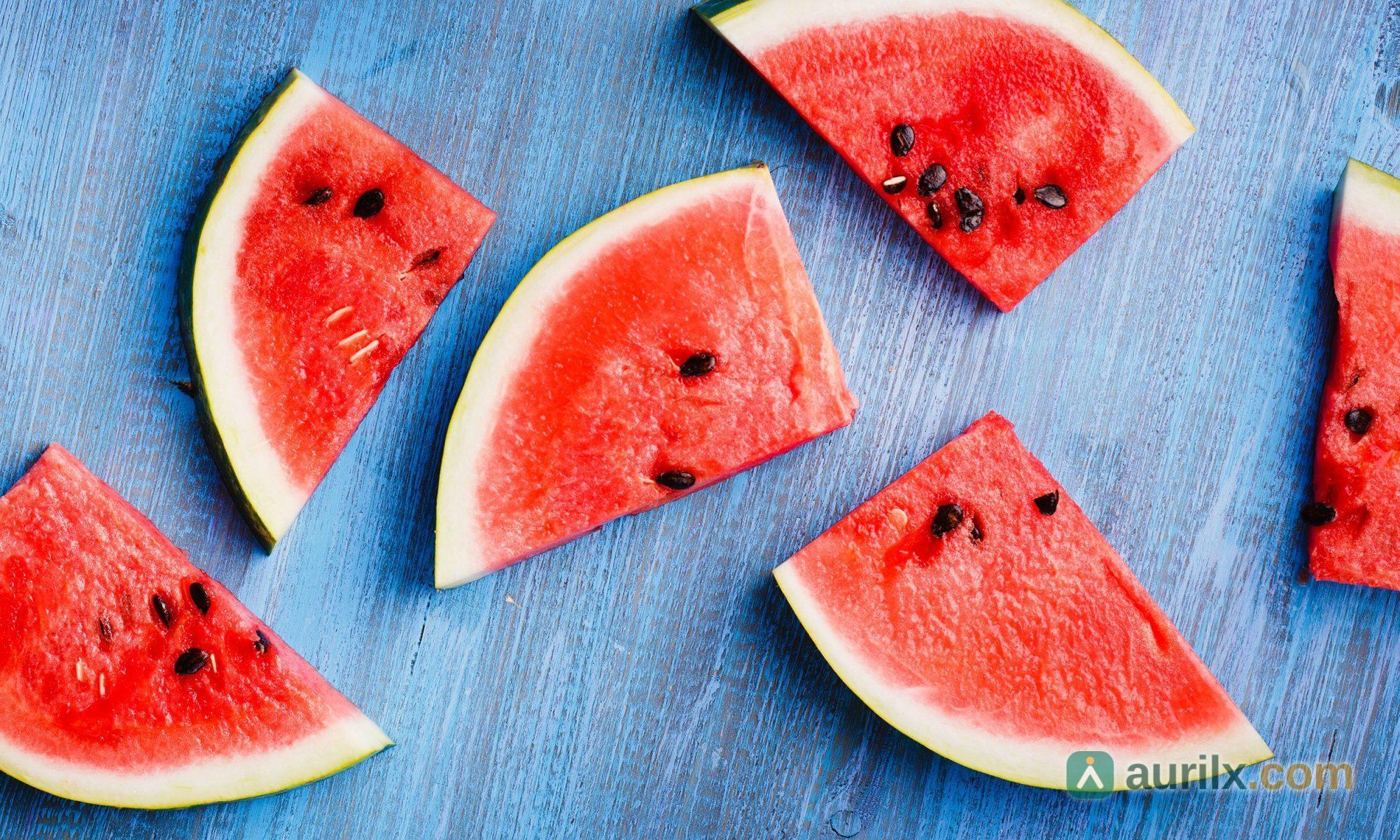
Does watermelon increase sexual power?
Erectile dysfunction (impotence) is a common condition in men, especially as they age. The L-citrulline in watermelon can stimulate blood flow to the penis. L-citrulline is a nonessential amino acid. After it is taken into the body, it allows the blood vessels to expand. As a result, your blood pressure drops and blood flow improves as well. However, longer-term studies are needed to prove the efficacy and overall safety of L-citrulline.
What are watermelon seeds good for?
Watermelon seeds are nutritious and low in calories. It is rich in magnesium, folate, iron, potassium and zinc, so it supports immunity and can protect heart and bone health. It contains both mono and polyunsaturated fatty acids and vitamin B complex.
- Because it is low in calories, you can choose it in place of less healthy snacks.
- It is rich in magnesium. Magnesium is an essential mineral for immune, heart, and bone health, and for nerve and muscle function. 1 handful of watermelon seeds can provide 5% of the magnesium you need each day.
- It is a strong source of both monounsaturated and polyunsaturated fatty acids.
- It provides zinc, an essential nutrient for the immune system.
Can you lose weight by eating watermelon?
Watermelon is a suitable fruit for people who want to lose weight. More than 90 percent of its weight is water. Watermelon is low in calories. It also contains arginine, an amino acid that speeds up fat burning. When you eat watermelon, you help meet your body’s water needs and feel full. The watermelon diet is a detox diet designed to promote weight loss and cleanse the body of toxins. It can be followed in several different ways:
How to make a watermelon diet?
In the strictest and most popular version, you eat only watermelon for 3 days. You can consume 1 large watermelon per day. After this 3-day abstinence and detox, you return to normal nutrition immediately or gradually. This kind of short-term diet that supports rapid weight loss may appeal to many people, but if you do not follow a healthy diet, the weight you lose comes back quickly. It is also not recommended for children, pregnant women, or people with a health condition that requires a special diet (such as diabetes) or those with weakened immune functions, because some essential nutrients such as protein cannot be obtained.
In another watermelon diet method, watermelon is included in a healthy 5-day nutrition program.
Example 5 day watermelon diet program
1 day
Breakfast: 1 thin slice of whole wheat bread, 1 slice of watermelon, 1 cup of unsweetened black or green tea (or coffee)
Lunch: 100 grams of boiled lean chicken breast, 1 glass of watermelon
Dinner: 60 grams of cottage cheese, 1 glass of watermelon
2 days
Breakfast: 1 slice of watermelon, 1 thin slice of whole grain bread, 1 cup of unsweetened coffee or tea (can also be green or fruit tea)
Lunch: 100 grams of grilled lean red meat, 1 slice of watermelon
Dinner: 100 grams of grilled fish, 1 slice of whole grain bread, 2 slices of watermelon
3 days
Breakfast: 1 slice of watermelon, 1 slice of whole grain bread, 1 glass of skim milk
Lunch: 1 bowl of lentil soup, 3 slices of watermelon
Dinner: Green salad, 2 slices of watermelon
4 days
Breakfast: 2 slices of watermelon, 1 cup of unsweetened coffee or tea (can also be green tea or fruit tea), 1 egg
Lunch: 1 bowl of chicken soup, 1 slice of whole grain bread, 2 slices of watermelon
Dinner: 3 medium boiled potatoes, 2 slices of watermelon
5 days
Breakfast: 3 slices of watermelon, 1 cup of unsweetened coffee or tea (can also be green tea or fruit tea), 1 banana
Lunch: 150 grams of boiled lean meat, Watermelon as much as you want
Dinner: 60 grams of cottage cheese, 1 slice of whole grain bread
Who should not eat watermelon?
Watermelon is high in potassium. People with severe hyperkalemia (too much potassium in the blood) should not eat more than one slice of watermelon per day, because they need to limit potassium intake. Too much can lead to irregular heartbeats and other cardiovascular problems.
What happens if the watermelon is eaten too much?
Eating too much watermelon can lead to digestive issues such as bloating, gas, and diarrhea. In addition, fructose, the type of sugar it contains, can cause bloating or discomfort when eaten in large amounts. It can also raise blood sugar because it has a high glycemic index.
Harms of watermelon
When eaten in moderation, watermelon does not create a serious health risk for most people, but people with allergies or diabetes should use caution because of the sugar it contains.
Can diabetics eat watermelon?
It is very important to keep track of blood sugar levels and the glycemic index of the foods consumed by diabetes patients.
The glycemic index (GI) is a reference value that shows how quickly the sugar in a food enters the bloodstream. Each food item is assigned a value between 1 and 100. Foods with a low or moderate GI are considered less likely to raise blood sugar levels. Foods with a GI above 70 are not recommended for diabetics. Watermelon has a GI of 72, which is a high rate.
But there’s also the glycemic load (GY), which is thought to provide more real data on how a food can affect blood sugar levels. The glycemic load is the combination of a food’s glycemic index and its actual carbohydrate content. People who manage their diabetes with carbohydrate counting often use this approach. GL below 10 is considered low. 100 grams of watermelon has a GL of 2, which means it is quite low. Although it has a high glycemic index, diabetics can consume watermelon in moderation as part of a balanced meal, as it has a low glycemic load.