
Healthy vegetables play a key role in a strong diet. You’ve heard it many times: if you want the best results from your nutrition plan, you need to eat your vegetables. While you may not love every vegetable, good preparation can help you find at least a few that you enjoy.
Even so, more variety is better for your health. Vegetables are low in calories and packed with minerals, vitamins, and antioxidants. They can help you move one step closer to your ideal body, inside and out.
Take a look at some of the healthiest vegetables you can eat so you know where to focus. Add these more often, and you’ll gain a lot from them.
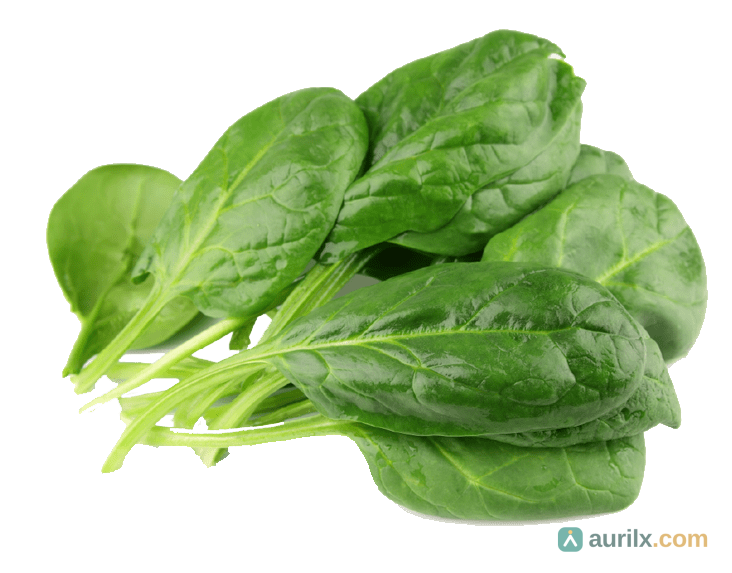
1- Spinach
Spinach sits at the top of the healthy vegetable list. It is a very rich source of both vitamin K and vitamin A, supplying over 50% of your daily requirements. It also delivers a solid amount of folate, so women who may be planning a pregnancy should eat it more often.
Spinach is also a very rich source of iron, with one cup providing 36% of your total daily intake. That matters for anyone who trains regularly, because too little iron can cause early fatigue during exercise.
Spinach is great for fending off cancer thanks to it’s potent dose of antioxidant and anti-cancer benefits.
2- Kale
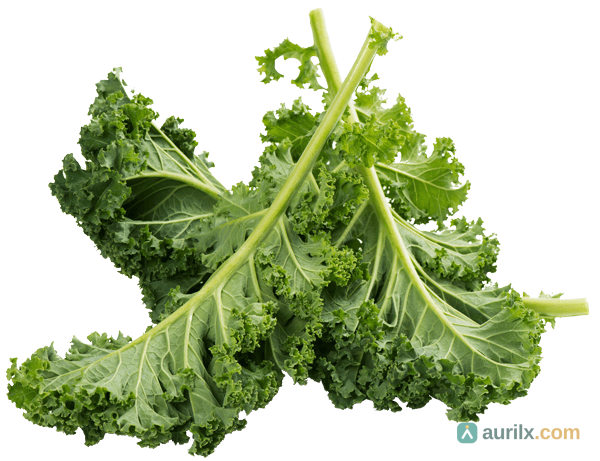
Kale is another leafy green you should not skip. This vegetable is packed with nutrients, making it almost like a multivitamin.
Its antioxidants can help lower your risk of inflammation and disease, and they may also reduce bad cholesterol levels to support a healthier heart.
Kale is also a very rich source of vitamin K, providing over 1000% of your daily needs with just one cup. It’ll also offer a good dose of vitamin A, vitamin C, vitamin B6, iron, potassium, and even calcium.
If you do not include dairy products in your diet, kale is a smart way to support strong bones.
3- Broccoli
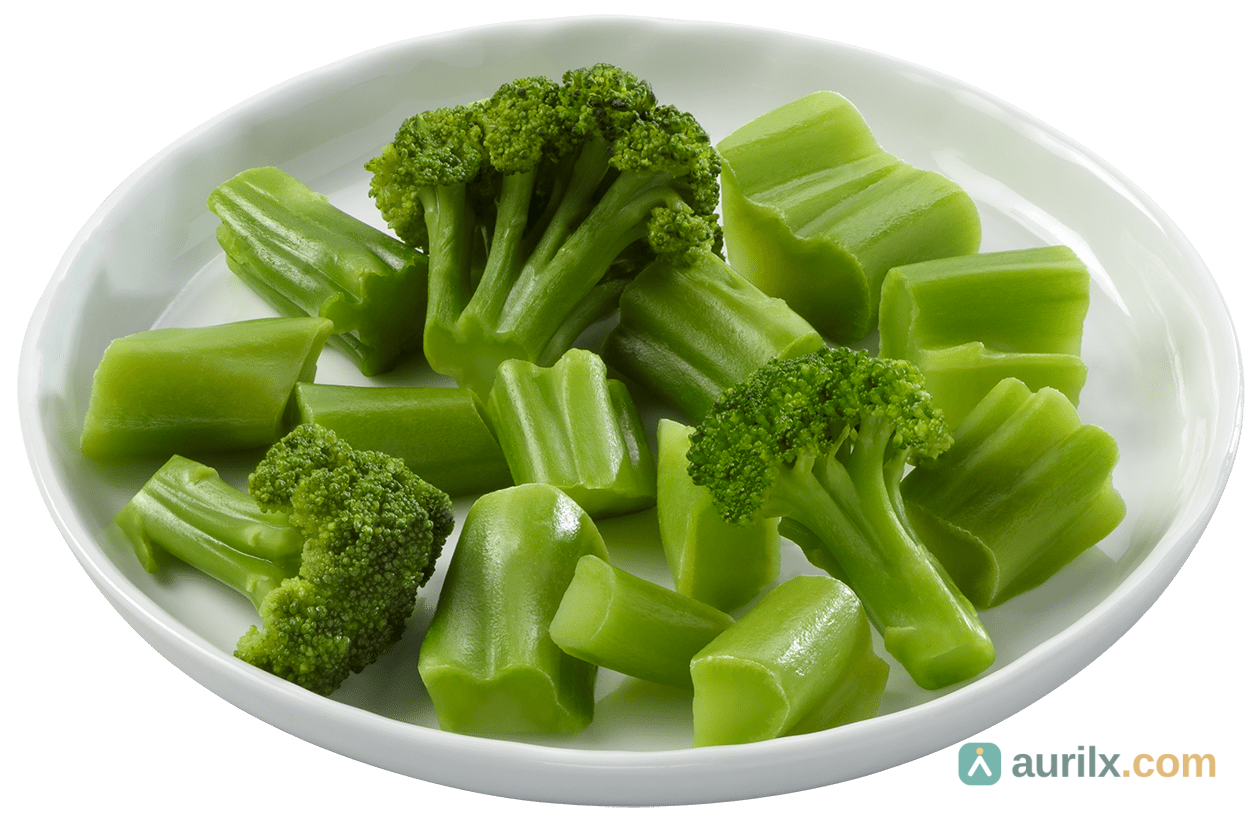
Broccoli is another green vegetable worth adding to your plate. Steamed broccoli is one of the best foods to eat if you want to lower cholesterol, because it binds with bile acids in the digestive track. Those acids are then excreted, which leads to lower levels and better heart health.
Broccoli also contains a flavonoid called kaempferol, which may help reduce allergic reactions. If you deal with severe allergies of any kind, broccoli may help ease your symptoms.
It is also a strong source of vitamin C, so it offers excellent antioxidant protection and helps support your immune system. It has also been known to help detoxify the body, so if you want to cleanse your system, make sure you’re taking in high doses of this vegetable.
Broccoli also contains a decent protein content at 3.7 grams per cup, which may not seem like much, but considering the fact that same cup only has 55 calories, this makes it over 25% protein.
4- Peppers
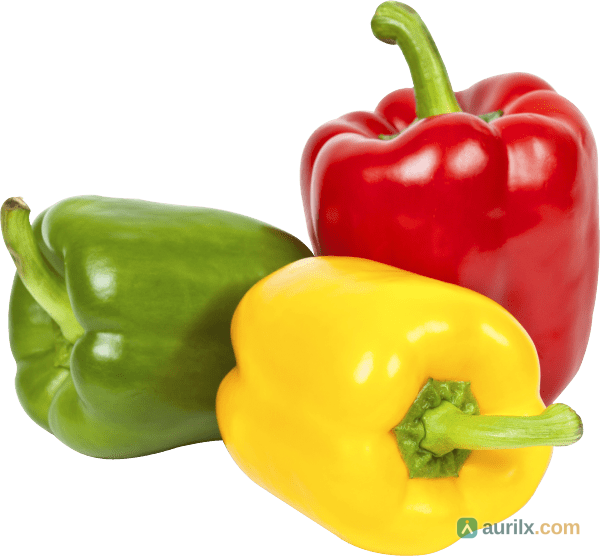
Bell peppers are another top source of vitamin C. Pick red, orange, or yellow, and you’ll add an immune-supporting boost to any meal.
They also provide vitamin B6, vitamin A, folate, vitamin E, and potassium. Thanks to their wide range of antioxidants, they may also offer powerful anti-cancer benefits.
Their sweet flavor makes them a smart choice when you want more taste in your meals. Try them raw, stir-fried, in salads, baked, or grilled, and you’ll enjoy every bite.
5- Tomatoes
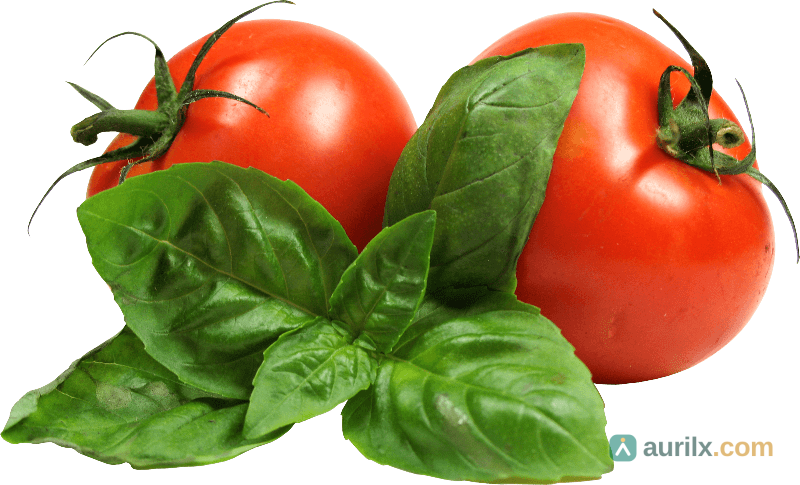
Tomatoes are packed with lycopene, a nutrient especially important for men because it may help protect against prostate cancer. That is only part of the story. Lycopene also supports strong bones in postmenopausal women, and removing lycopene-rich foods from the diet has been linked to lower bone density and a greater risk of osteoporosis.
They can also support heart health by helping lower cholesterol while keeping triglyceride levels in check.
Tomatoes are also rich in biotin, which helps support healthy nail and hair growth and improves nutrient absorption in the body.
Fresh tomatoes are always best as tomato sauce and ketchup typically both contain added sugar.
6- Cabbage
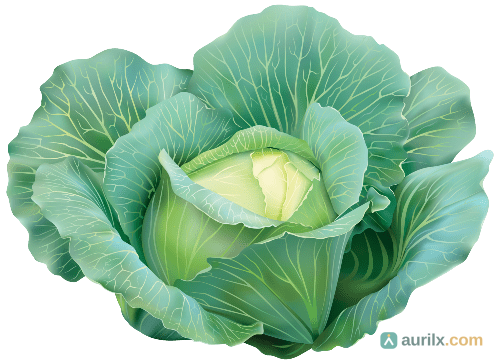
Cabbage is the next vegetable you should add to your diet plan if your goal is better health and wellness. Steamed cabbage is another excellent choice when you want to lower cholesterol and support heart health. It is also rich in sinigrin, a compound that may help prevent several cancers, including bladder cancer, colon cancer, as well as prostate cancer.
Cabbage also provides a small amount of calcium. It is not as high in calcium as some other vegetables, but it is still a solid choice for supporting bone health.
Steaming does tend to the best way to optimize the nutrients found in cabbage, so use this cooking method as often as possible.
Nutrition facts100 Grams CabbageSugar3.2gWater%92Fiber2.5gPotassium170mgSodium18mgIron0.5mgVitamin A5.00 mcgVitamin B10.061 mgVitamin B20.040 mgVitamin B30.234 mgVitamin B60.124 mgVitamin B943.00 mcgVitamin C36.6 mgVitamin K76.0 mcgVitamin E0.15 mgCalcium40mgCalories25Protein1.3gCarbs5.8gFat0.1gThe nutrition facts for 3.5 ounces (100 grams) of raw cabbage areCalories25Protein1.3gCarbs5.8gFat0.1g7- Onions
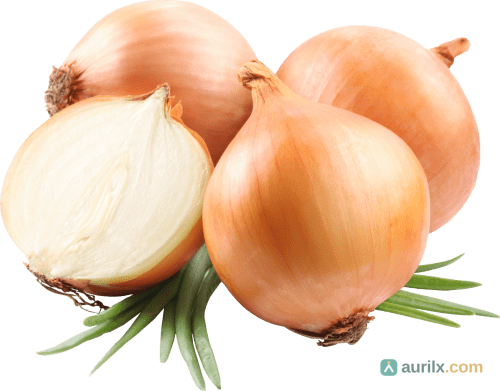
Another vegetable worth adding to your meals is onion. With its sharp flavor, it is commonly used to boost the taste of many dishes and fits into plenty of recipes.
Keep in mind that for the best health benefits, you should eat it raw. The cancer-fighting antioxidants are most potent in the raw state, so eat it this way if you want that benefit most.
Use it in salads, or slice it and add it to your salads, wraps, or a home made healthy burger.
Nutrition facts100 Grams OnionsSugar4.2gWater%89Fiber1.7gPotassium146mgSodium4mgIron0.2mgVitamin B10.046 mgVitamin B20.027 mgVitamin B30.116 mgVitamin B50.123 mgVitamin B60.120 mgVitamin B919.00 mcgVitamin C7.4 mgVitamin K0.4 mcgVitamin E0.02 mgCalcium23.00 mgCalories40Protein1.1gCarbs9.3gFat0.1gThe nutrition facts for 3.5 ounces (100 grams) of raw onions areCalories40Protein1.1gCarbs9.3gFat0.1g8- Green Peas
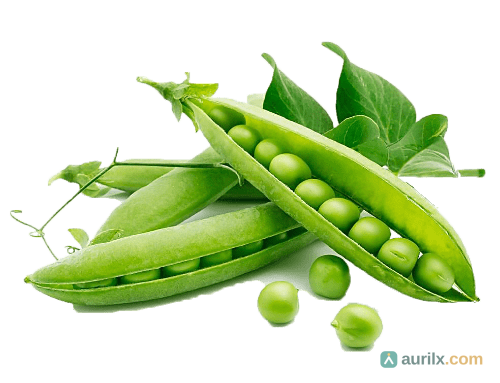
You may skip green peas because they contain a bit more starch than other vegetables, but if your calorie and carb budget allows it, add them to your diet plan.
Peas can help fight stomach cancer and also provide anti-inflammatory protection. Despite being very low in total fat, the fat they do contain is the important omega-3 type, so they can help raise your intake of this essential nutrient.
Peas will provide a rich source of vitamin K, B vitamins, zinc, iron, copper, and manganese.
Nutrition facts100 Grams Green PeasSugar5.7gWater%78Fiber5.7gPotassium244mgSodium5mgIron1.5mgVitamin A38.00 mcgVitamin B10.266 mgVitamin B20.132 mgVitamin B32.090 mgVitamin B60.169 mgVitamin C40.0 mgVitamin K24.8 mcgVitamin E0.13 mgCalcium25.00 mgCalories81Protein5.4gCarbs14gFat0.4gThe nutrition facts for 3.5 ounces (100 grams) of raw green peas areCalories81Protein5.4gCarbs14gFat0.4g9- Bok Choy
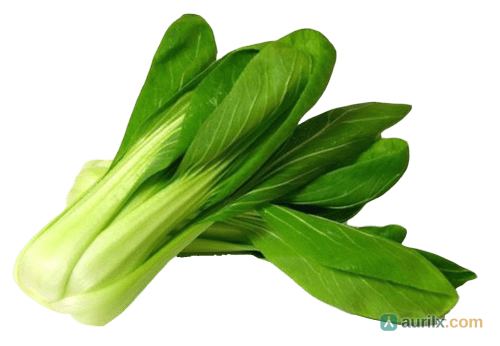
Next is Bok Choy, another one of the healthiest vegetables you can eat. This vegetable contains over 70 different antioxidants, which makes it one of the most powerful sources available.
It’s also a great source of calcium, providing 16% of your total daily needs in a one cup serving. Bok coy is also a great way to get your vitamin K, vitamin C, as well as vitamin A in, and will help to promote anti-inflammatory benefits.
Try it steamed, stir-fried, or even eaten raw in your salad.
Nutrition facts100 Grams Bok ChoySugar1.18gWater%95Fiber1gPotassium252mgSodium65mgIron0,8mgVitamin A223 mcgVitamin B10.04 mgVitamin B20.07 mgVitamin B30.5 mgVitamin B60.194 mgVitamin C45mgVitamin K45.5 mcgVitamin E0.09 mgCalcium105 mgCalories13Protein1.5gCarbs2,18gFat0.2gThese are the nutrition facts for 3.5 ounces (100 grams) of raw bok choyCalories13Protein1.5gCarbs2,18gFat0.2g10- Cauliflower
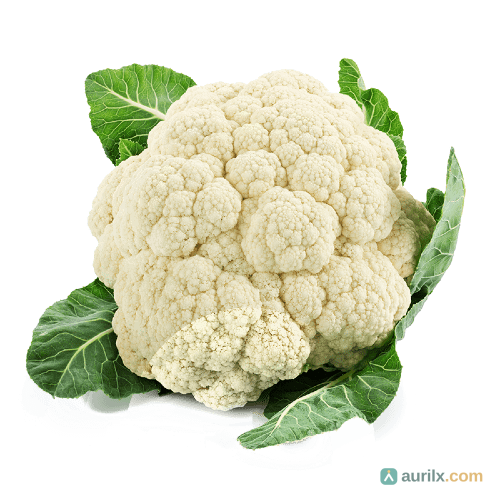
Cauliflower is a cruciferous vegetable, and it should be a regular part of your diet.
It is rich in vitamin C, which supports your immune system and helps you recover more easily between workout sessions.
It also provides strong detoxification support because it actives detoxification enzymes in your body that help clear away waste and get you feeling your absolute best.
Cauliflower can also help fight inflammation, so it may ease some symptoms in people with inflammatory based conditions such as arthritis.
Lastly, cauliflower stands out as a fiber all-star, with 8 grams of fiber for every 100 calories consumed. If you want to increase your fiber intake, this is one vegetable worth adding.
Nutrition facts100 Grams CaulifloweSugar1.9gWater%92Fiber2gPotassium299mgSodium30mgIron0,4mgVitamin B10.050 mgVitamin B20.60 mgVitamin B30.507 mgVitamin B50.667 mgVitamin B60.184 mgVitamin B957.00 mcgVitamin C48,2mgVitamin K15.5 mcgVitamin E0.08 mgCalcium22 mgCalories25Protein1.9gCarbs5gFat0.3gThese are the nutrition facts for 3.5 ounces (100 grams) of raw caulifloweCalories25Protein1.9gCarbs5gFat0.3g11- Asparagus
Asparagus is often used by fitness and bodybuilding competitors when they prepare contest diets, and it is a smart vegetable to include. Asparagus is a rich source of saponins, compounds that can help regulate blood pressure levels, improve blood sugar regulation, and support a leaner overall body composition.
It also supports healthy digestion, so it can help ease gas, bloating, or other digestive troubles you may be facing.
Finally, anyone with diabetes may benefit from eating it because of the blood glucose regulating properties it offers.
Nutrition facts100 Grams AsparagusSugar1.9gWater%93Fiber2.1gPotassium202mgSodium2mgIron2.1mgVitamin A38.00 mcgVitamin B10.143 mgVitamin B20.141 mgVitamin B30.978 mgVitamin B50.274 mgVitamin B60.091 mgVitamin B952.00 mcgVitamin C5.6 mgVitamin K41.6 mcgVitamin E1.13 mgCalcium24mgCalories20Protein2.2gCarbs3.9gFat0.1gThese are the nutrition facts for 3.5 ounces (100 grams) of raw asparagusCalories20Protein2.2gCarbs3.9gFat0.1g12- Mushrooms
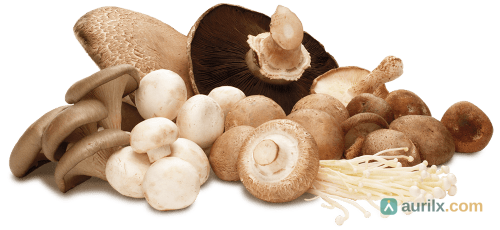
Don’t leave mushrooms off your shopping list the next time you go out. Mushrooms are valued for their immune boosting properties and may also help combat hormone-dependent breast cancer in women.
They are also a good source of CLA (conjugated linolenic acid), a fatty acid that can help enhance fat oxidation in the body. So eating mushrooms may help support a leaner body compositon.
Mushrooms also provide plenty of vitamin B2, B3, B1, and B6. These nutrients support normal metabolism and energy regulation.
They may also help lower overall inflammation in the body, and they deliver strong antioxidant support too.
That wraps up a closer look at the healthiest vegetables you should try to include in your regular diet plan. Are you missing any of these?
Nutrition facts100 Grams MushroomsSugar2gWater%92Fiber1gPotassium318mgSodium5mgIron0.5mgVitamin B10.081 mgVitamin B20.402 mgVitamin B33.607 mgVitamin B60.104 mgVitamin B917.00 mcgVitamin B120.04 mcgVitamin D0.20 mcgVitamin C2.1 mgVitamin E0.01 mgCalcium3.00 mgCalories22Protein3.1gCarbs3.3gFat0.3gThe nutrition facts for 3.5 ounces (100 grams) of raw mushrooms areCalories22Protein3.1gCarbs3.3gFat0.3g