
What Is Sodium?
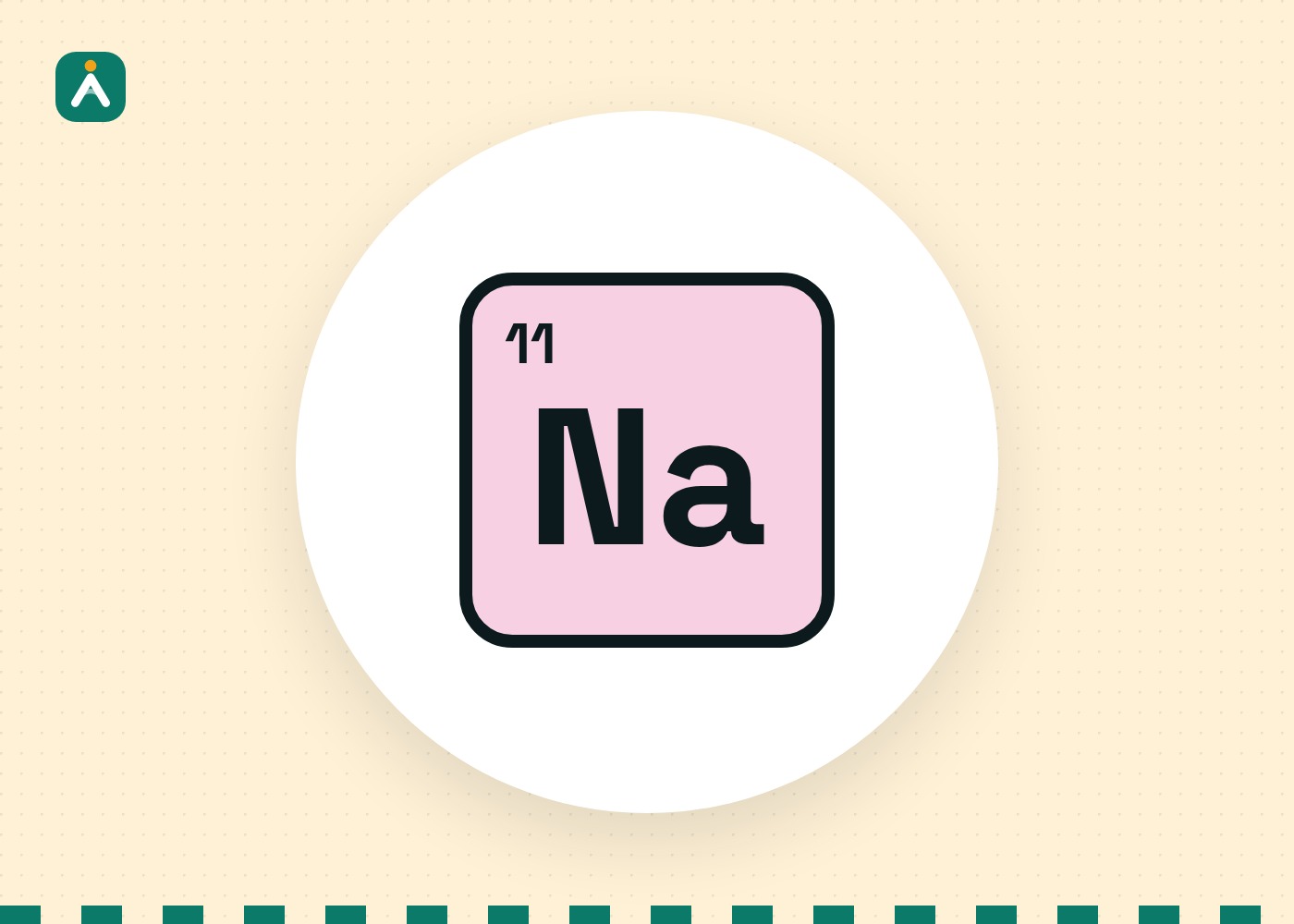
Sodium is a vital electrolyte and mineral your body uses to support fluid balance, nerve signaling, and muscle contraction. Most sodium is stored in the blood and extracellular fluid, where it helps control water movement and maintain blood pressure.
Sodium is essential for good health, but too much is a well-established risk factor for hypertension, stroke, and heart disease. The goal is to keep intake in the right range.
Functions of Sodium in the Body
1. Fluid and Electrolyte Balance
Sodium regulates osmotic pressure, which helps distribute water properly inside and outside cells.
2. Nerve Transmission
Sodium ions help create action potentials, so nerves can transmit electrical signals needed for muscle movement and sensory function.
3. Muscle Contraction
Working with calcium and potassium, sodium supports the contraction and relaxation of muscles, including the heart.
4. Blood Pressure Regulation
Sodium influences blood volume, so it directly affects blood pressure. Too much sodium can increase blood pressure, while too little can lead to hypotension.
Recommended Daily Intake of Sodium
| Group | Adequate Intake (AI) |
|---|---|
| Adults (19–50 years) | 1,500 mg/day |
| Older Adults (51–70 years) | 1,300 mg/day |
| Seniors (71+ years) | 1,200 mg/day |
| Tolerable Upper Limit (UL) | 2,300 mg/day |
Source: U.S. National Academies of Sciences, Engineering, and Medicine
Note: The average U.S. adult consumes over 3,400 mg/day, well above the recommended limit.
Sources of Sodium
Natural Sources:
Celery
Beets
Milk
Meat and seafood
Spinach
Main Sources in Modern Diets:
Table salt (sodium chloride)
Canned soups and vegetables
Processed meats (bacon, sausages)
Packaged snacks and chips
Frozen meals
Fast food
Condiments (soy sauce, ketchup)
About 70–75% of dietary sodium comes from processed and restaurant foods, not from salt added during cooking at home.
Signs and Symptoms of Sodium Imbalance
Sodium Deficiency (Hyponatremia):
Can occur due to:
Excessive sweating or fluid loss
Overhydration
Kidney or adrenal disorders
Symptoms:
Headache
Nausea or vomiting
Muscle cramps
Confusion
Fatigue
In severe cases: seizures or coma
Sodium Excess (Hypernatremia):
Can be caused by:
Dehydration
Excess salt intake
Kidney dysfunction
Symptoms:
Thirst
Swelling (edema)
High blood pressure
Irritability
Restlessness
In severe cases: stroke or heart complications
Health Risks of High Sodium Intake
Too much sodium is a major factor in:
Hypertension (High Blood Pressure)
Heart disease
Stroke
Kidney disease
Osteoporosis (due to increased calcium excretion)
Cutting sodium can greatly reduce cardiovascular risk, especially in people who are salt-sensitive.
Managing Sodium Intake
Tips for Reducing Sodium:
Prepare more meals at home with whole ingredients
Check nutrition labels and pick low-sodium options
Use herbs, spices, and citrus to flavor foods instead of salt
Rinse canned foods like beans and vegetables
Cut back on processed meats, snacks, and sauces
Who Needs to Monitor Sodium Intake More Closely?
People with high blood pressure
Individuals with heart failure or kidney disease
Older adults
Athletes and those in hot climates (may require careful sodium balance due to sweating)
Conclusion
Sodium is essential for nerve function, hydration, and cardiac performance, but its overconsumption is widespread and dangerous. To support health, stay within the recommended intake by limiting processed foods and choosing fresh, whole foods. People with medical conditions should ask a healthcare provider about the right sodium level for them.
References:
National Institutes of Health – Sodium Fact Sheet for Health Professionals
U.S. Centers for Disease Control and Prevention – Get the Facts: Sodium and the Dietary Guidelines https://www.cdc.gov/salt/index.htm
Institute of Medicine (U.S.). Dietary Reference Intakes for Water, Potassium, Sodium, Chloride, and Sulfate. Washington (DC): National Academies Press; 2005.
https://www.ncbi.nlm.nih.gov/books/NBK56068/He FJ, MacGregor GA. Salt reduction lowers cardiovascular risk. BMJ. 2011;343:d4996. https://doi.org/10.1136/bmj.d4996