
What Is Calcium?
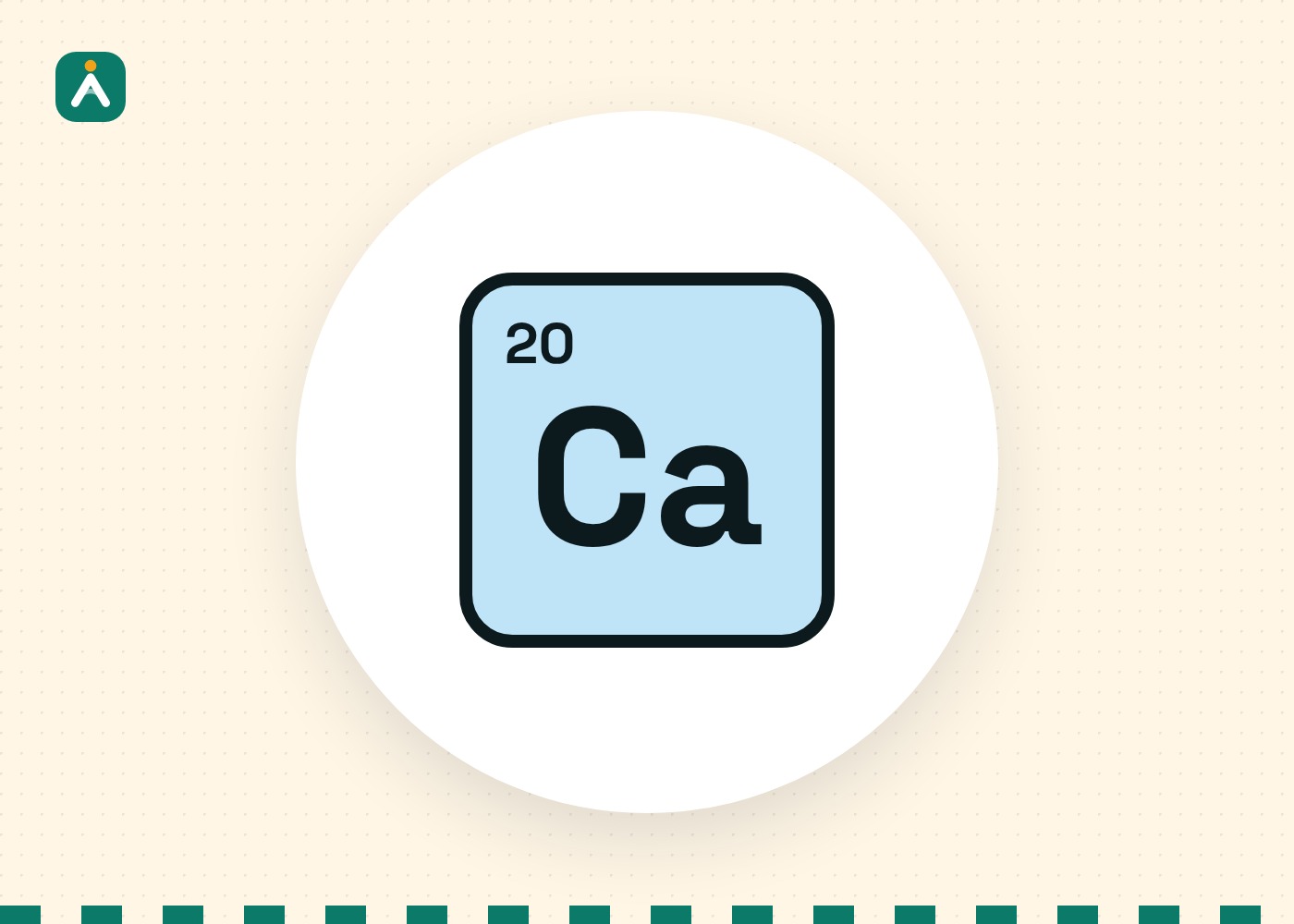
Calcium is the body’s most plentiful mineral. Roughly 99% is stored in bones and teeth, where it helps build structure and provide strength. The other 1% moves through the blood and soft tissues, where it supports muscle contraction, nerve transmission, vascular function, and hormone secretion.
Your body cannot make calcium, so you need to get it from food or supplements.
Why Is Calcium Important?
1. Bone and Teeth Health
Calcium is a major part of hydroxyapatite, the mineral framework that gives bones and teeth their strength. It matters most during childhood, adolescence, and early adulthood, when bone mass is still building, and it stays important later in life to help lower the risk of osteoporosis.
2. Muscle Contraction
Muscles, including the heart, need calcium to contract. Inside muscle fibers, it works with proteins such as troponin and tropomyosin to start and control contraction.
3. Nerve Transmission
Nerve cells use calcium to release neurotransmitters. When calcium levels are sufficient, they help maintain proper signaling between the brain and body.
4. Blood Clotting
Calcium helps activate multiple proteins in the coagulation cascade, which is necessary for normal blood clotting after injury.
5. Hormonal Secretion
Calcium helps regulate parathyroid hormone (PTH) and calcitonin, both of which support calcium homeostasis in the body.
Recommended Daily Intake of Calcium
| Age Group | Recommended Intake |
|---|---|
| Children (1–8 years) | 700–1,000 mg/day |
| Adolescents (9–18 years) | 1,300 mg/day |
| Adults (19–50 years) | 1,000 mg/day |
| Adults over 50 | 1,200 mg/day |
| Pregnant/Lactating Women | 1,000–1,300 mg/day |
Note: Needs may vary based on activity level, health status, and gender.
Best Dietary Sources of Calcium
Dairy Products
Milk
Yogurt
Cheese
Leafy Greens
Kale
Collard greens
Bok choy
Fish with Edible Bones
Sardines
Canned salmon
Fortified Foods
Calcium-fortified plant milks (almond, soy, oat)
Fortified cereals and juices
Others
Tofu (set with calcium)
Almonds
Sesame seeds
Factors That Affect Calcium Absorption
Vitamin D: Improves calcium absorption in the gut.
Phytic Acid & Oxalates: Present in spinach, beans, and whole grains—can bind calcium and lower bioavailability.
Caffeine & Sodium: High intake may increase calcium excretion.
Age & Hormones: Older adults and postmenopausal women may absorb less calcium because of hormonal changes.
Calcium Deficiency (Hypocalcemia)
Causes:
Inadequate intake
Poor absorption (e.g., celiac disease)
Vitamin D deficiency
Kidney disorders
Certain medications (e.g., corticosteroids)
Symptoms:
Numbness and tingling in fingers
Fatigue
Osteopenia or osteoporosis
Abnormal heart rhythms in severe cases
Calcium Supplements: Should You Take Them?
Calcium supplements can be useful for people who:
Cannot meet needs through diet
Are lactose intolerant
Are at high risk of osteoporosis
Common types:
Calcium carbonate: Best with meals
Calcium citrate: Better for those with low stomach acid or older adults
Caution: Excessive intake (over 2,500 mg/day for adults) may lead to kidney stones, constipation, or interfere with the absorption of other minerals (iron, zinc).
How to Support Optimal Calcium Absorption
Ensure adequate vitamin D through sun exposure or supplementation
Engage in weight-bearing exercise to stimulate bone remodeling
Limit excessive caffeine, alcohol, and sodium
Eat a balanced diet with a variety of calcium-rich foods
Conclusion
Calcium is vital for more than strong bones and teeth. It also supports key functions such as muscle contraction and nerve communication. Getting enough calcium each day through a nutrient-rich diet—and supplements when needed—can help prevent long-term issues like osteoporosis and support overall body health.