
Why should we eat hazelnuts?
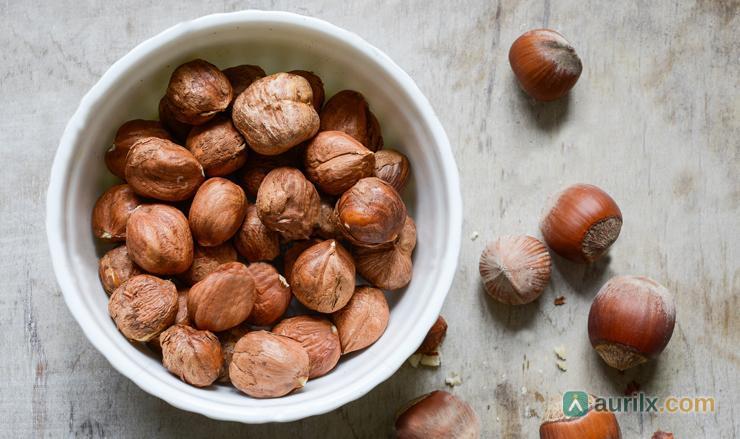
Hazelnuts are a highly beneficial food because they provide antioxidants, healthy fats, manganese, vitamins, and minerals. They support heart health, may help protect against cancer through their antioxidant content, lower blood sugar, and reduce inflammation in the body. You can eat them safely unless you have an allergy. Still, choose raw hazelnuts when possible, since the antioxidants are most concentrated in the outer membrane. Cold-pressed hazelnut oil is a flavorful oil used widely in cooking, as well as in skin and hair care. In this article, you will find detailed information on the benefits and uses of hazelnuts and hazelnut oil.
Benefits of hazelnut
Hazelnuts are a nutrient-dense food that offers major benefits, from brain health and mood support to a lower risk of diabetes and cancer protection. Beyond their taste, they also provide a good amount of fiber. They are rich in protein, carbohydrates, antioxidants, B vitamins such as riboflavin, thiamine, niacin, pyridoxine, and pantothenic acid, and minerals such as calcium, folate, zinc, potassium, iron, and manganese. Eating hazelnuts raw lets you get much more from their nutritional value.
It is a rich source of antioxidants
Antioxidants are compounds that protect the body against oxidative stress. Oxidative stress is a condition that accelerates aging and increases the risk of cancer and heart disease by damaging the cell structure.
The most abundant antioxidants in hazelnuts are phenolic compounds. Studies show that eating hazelnuts significantly reduces oxidative stress in the body. However, the antioxidants contained in hazelnuts are more concentrated in the membrane part. For this reason, it is recommended to consume raw, unpeeled skin.
Protects heart health
Thanks to the antioxidants, fatty acids, fiber, potassium and magnesium it contains, hazelnut helps normalize blood pressure, and can reduce the risk of heart disease by lowering bad cholesterol (LDL) and triglyceride levels in the blood.
Helps lower blood sugar
Studies show that oleic acid, the main fatty acid in hazelnuts, can help improve insulin sensitivity, as well as significantly reduce fasting blood sugar and insulin levels.
This shows that hazelnut is a good food for type 2 diabetes patients and can also help protect from this disease.
May reduce cancer risk
It is thought that the antioxidants proanthocyanidin and vitamin E contained in hazelnuts, as well as high levels of manganese, may help prevent or treat some types of cancer, such as cervical, liver, breast and colon cancer.
But all that has been done so far is test-tube or animal studies. Further studies are needed to see if the same results apply to humans.
May reduce inflammation
Inflammation predisposes to arthritis and other inflammatory diseases. Consuming hazelnuts regularly can reduce inflammation in the body, thanks to the high amount of healthy fat it contains. However, hazelnuts alone are not enough for this. It is also necessary to follow a calorie-controlled diet.
Supports Brain Health
Hazelnut contains phytochemicals such as protonocyanidins, quercetin and kaemferol. These proanthocyanins belong to a group called ‘flavonoids’. Flavonoids may support brain health. In addition, since it is rich in tryptophan and isolosine amino acids, it makes the person feel better mentally and psychologically.
Importance of hazelnut for athletes
For athletes, nutrition matters just as much as daily training. That is true not only for athletes, but for anyone who enjoys sports and follows a healthy lifestyle.
Daily calorie needs and energy expenditure can differ from person to person. If you train regularly, you need far more energy than if you do not. To meet that demand, you need a tailored diet. You can include a certain amount of hazelnuts each day to help repair damaged tissues, support fat burning, provide vitamin B and E supplements, and boost metabolism. Hazelnuts contain protein, fiber, antioxidants, and healthy fats, so they increase muscle strength and support your body’s regeneration rate. They are also ideal when you feel physically and mentally tired.
- Strengthens the muscles
Magnesium has a major role in controlling how much calcium moves into and out of the body. The proper calcium balance supports muscle contraction and helps muscles relax when they are not working. In this way, magnesium lowers muscle tension and helps protect against muscle fatigue, spasms, cramps, and aches. Higher magnesium levels may also support greater muscle strength.
Is hazelnut oil healthy?
Hazelnut oil is made by pressing hazelnuts with a press machine. It is best known for skin care, but it is also very healthy in the kitchen. Its nutritional value is comparable to olive oil. Because it contains a high amount of oleic acid, a monounsaturated fatty acid, it can raise good cholesterol (HDL) in the blood and lower bad cholesterol levels. When used on the skin, it also moisturizes, softens, and improves elasticity.
Benefits of hazelnut oil for skin
- Its high vitamin E and fatty acid content boosts moisture in the skin’s outermost layer, helping skin stay hydrated and elastic.
- On sensitive skin, it may stop bleeding from shaving cuts without irritating the skin.
- It helps prevent dryness by creating a natural oil barrier on the skin.
- Its tannins cleanse pores, destroy bacteria, and help tighten the skin.
- Vitamin E in hazelnuts supports collagen production, an essential protein that strengthens skin and improves elasticity.
- It may help shield the skin from sun damage and reduce the look of fine lines or wrinkles caused by sun exposure.
- It can help lessen skin darkening (hyperpigmentation) caused by acne, sun damage, pregnancy, and skin injuries.