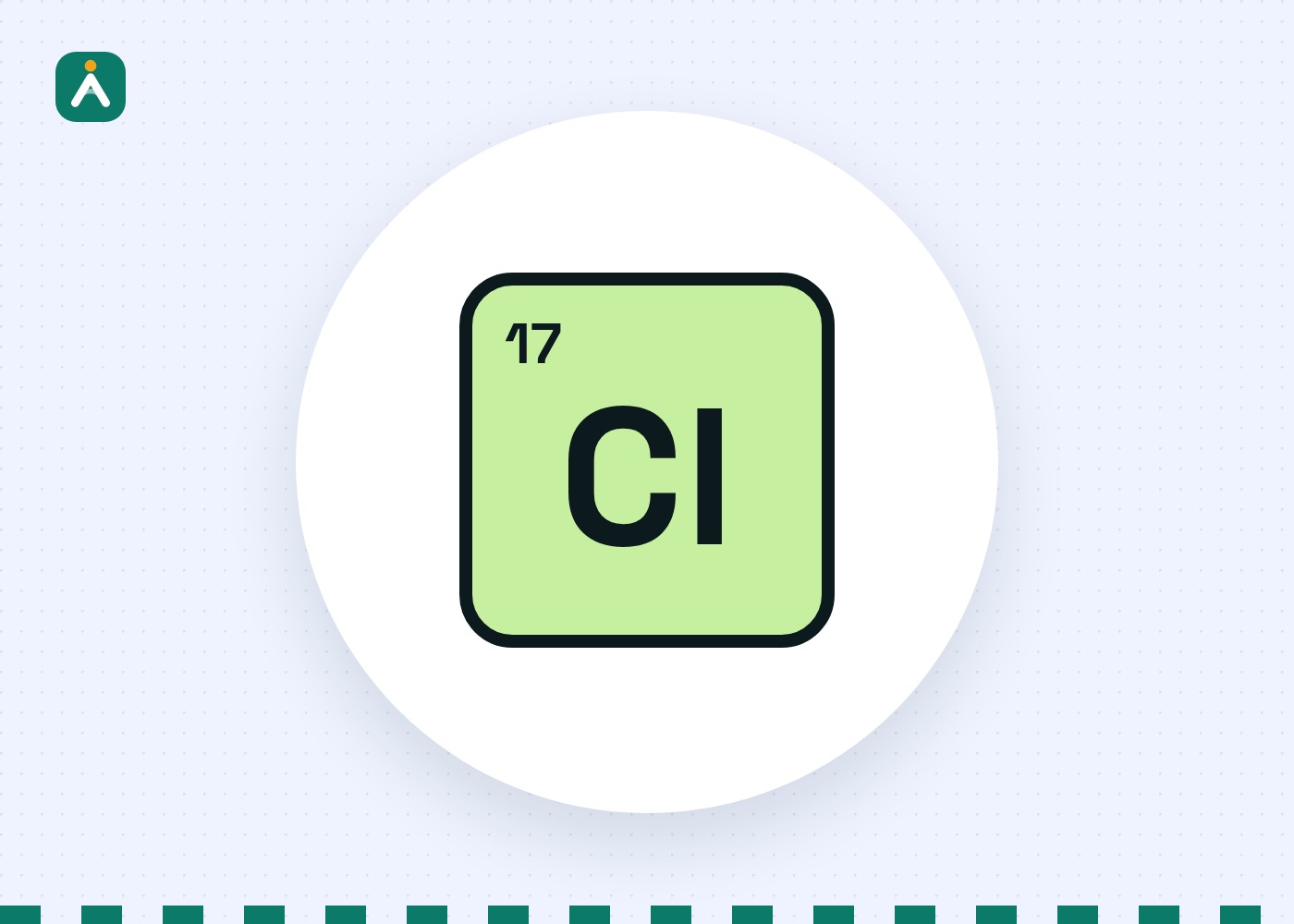

What Is Chloride?
Chloride is among the body’s most plentiful electrolytes. It is found mainly in the extracellular fluid, where it sits alongside sodium. It helps preserve fluid balance, supports nerve and muscle function, and helps produce hydrochloric acid (HCl) in the stomach, which is needed for digestion.
Because it is a negatively charged ion (anion), chloride helps offset the positive charges of sodium and potassium. That supports electrical neutrality and osmoregulation in cells and tissues.
Functions of Chloride in the Body
1. Fluid and Electrolyte Balance
Chloride teams up with sodium and water to control the body’s osmotic pressure, helping cells avoid dehydration or excess swelling.
2. Formation of Stomach Acid (HCl)
Chloride is an essential part of hydrochloric acid. This acid helps break down food in the stomach and helps defend against pathogens.
3. pH Regulation
Chloride helps maintain acid-base balance in the blood through the chloride shift—the exchange of chloride and bicarbonate ions in red blood cells.
4. Nerve and Muscle Function
By contributing to electrical gradients across membranes, chloride supports nerve impulse transmission and muscle contraction.
Recommended Daily Intake of Chloride
| Life Stage | Adequate Intake (AI) |
|---|---|
| Adults (19–50 years) | 2,300 mg/day |
| Adults (51–70 years) | 2,000 mg/day |
| Adults (71+ years) | 1,800 mg/day |
| Tolerable Upper Limit | 3,600 mg/day |
Source: U.S. National Academies of Sciences, Engineering, and Medicine
Sources of Chloride
Natural and Dietary Sources:
Table salt (sodium chloride): The most significant source
Seaweed
Celery
Olives
Rye
Lettuce
Tomatoes
Processed Food Sources:
Canned soups
Frozen meals
Deli meats
Pickles
Snack chips
Soy sauce
Most chloride comes from table salt and processed foods, much like sodium.
Symptoms of Chloride Imbalance
Chloride Deficiency (Hypochloremia):
Can result from:
Vomiting
Diarrhea
Use of diuretics
Addison’s disease
Excessive water intake
Symptoms:
Weakness or fatigue
Muscle cramps
Shallow breathing
Confusion
Dehydration
Metabolic alkalosis (pH imbalance)
Chloride Excess (Hyperchloremia):
Can occur with:
Dehydration
Kidney dysfunction
Ingestion of excessive salt or saline
Symptoms:
High blood pressure
Fluid retention
Respiratory distress (in severe cases)
Acid-base disturbances (metabolic acidosis)
Who Is at Risk of Chloride Deficiency?
Athletes who lose large amounts of salt through sweat
People with chronic vomiting or diarrhea
Individuals using loop or thiazide diuretics
Those with adrenal or kidney disorders
Chloride and Sodium: A Critical Relationship
Sodium and chloride work together in sodium chloride (NaCl) to support hydration, blood pressure, and electrical signaling. Even so, chloride has unique digestive and pH-related roles that set it apart from sodium.
Balancing Chloride Intake
To maintain healthy chloride levels:
Stay hydrated
Eat a balanced diet including fresh produce and moderate amounts of salt
Avoid overuse of processed, high-sodium foods
Monitor chloride if you have chronic illnesses or use diuretics
Conclusion
Chloride is more than a component of table salt. It is a crucial electrolyte that helps with digestion, hydration, and acid-base balance. Chloride imbalances are uncommon with a standard diet, but awareness still matters, especially in clinical settings or during electrolyte losses from illness or exercise. Getting enough chloride along with sodium and potassium supports optimal health.
References
National Institutes of Health (NIH) – Chloride Fact Sheet
U.S. National Academies of Sciences, Engineering, and Medicine. Dietary Reference Intakes: Electrolytes and Water (2005). https://www.ncbi.nlm.nih.gov/books/NBK56068/
World Health Organization (WHO) – Guideline: Sodium Intake for Adults and Children. https://www.who.int/publications/i/item/9789241504836
Adrogué, H. J., & Madias, N. E. (2000). Hyperchloremic metabolic acidosis. New England Journal of Medicine, 342(26), 2036–2042. https://doi.org/10.1056/NEJM200006293422606