
When you begin working to improve your health and fitness, don’t focus only on training and nutrition. You also need to think about the supplements that can help push your results further.
Some supplements are more suitable for advanced lifters and may not matter much when you are just starting out. Others, however, are useful for nearly everyone. They can support your health, improve workout performance, and help you feel better day to day.
If you are not using these supplements now, it is time to add them to your daily routine.
Here’s a look at which supplements they are and why they matter so much.
1. Protein Powder
Protein powder is the first item everyone should have, even if you do not train regularly. When people hear “protein powder,” they often picture a big bodybuilder in the gym drinking shakes to get bigger.
But your body needs plenty of protein every single day. Even on rest days, it is still making new cells, enzymes, and hormones, and all of that depends on protein.
If you do not meet your daily needs, your body cannot carry out these processes as well as it should. That can limit optimal growth and development. You may begin to feel weak and tired, and health problems can follow.
At a minimum, a person who does not exercise should consume about 0.6-0.8 grams of protein per pound of body weight (1.2-1.6 gram per kilo). If you exercise, increase that to 1 gram per pound (2 grams per kilo).
Getting that much protein from whole foods alone can be difficult, which is why protein powder is so useful. It is ready whenever you are, so you just mix it with water or milk and you are good to go.
Some protein powders are also designed to digest very quickly, which makes them a smart choice right after your workout.
When you use it then, you can kick-start recovery and help support optimal muscle rebuilding.
Vegetarians can also benefit greatly from adding protein powder to their daily diet, since they are more likely to fall short. If they include dairy, they can choose whey powder. If not, hemp protein is another option.
2. Essential Chain Amino Acids – EAA
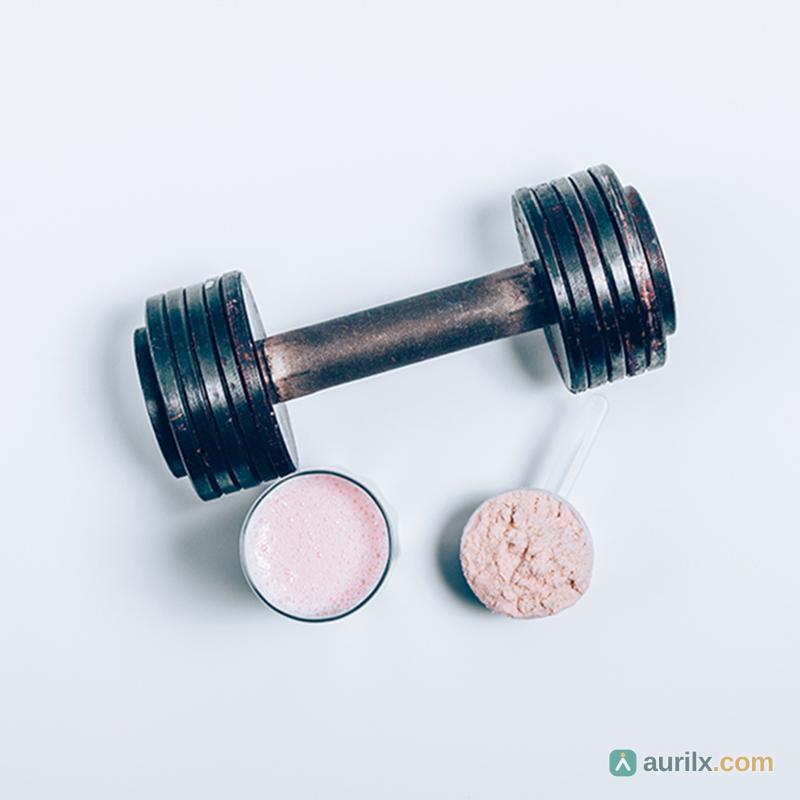
Another supplement worth adding to your nutrition plan is essential chain amino acids.
EAA’s help stop muscle tissue from breaking down, which can reduce how much recovery you need after your workout is done.
EAA is a solid way to increase your amino acids intake (“protein intake”) without adding a significant amount of extra calories.
In recent years, BCAA’s have been all the rage, but research clearly shows them to be inferior to both whey and EAA’s.
3. Quality Multi-Vitamin

It is also smart to include a high quality multi-vitamin in your protocol. Eating well 100% of the time can be difficult, and a multi-vitamin gives you backup support when you need it.
This becomes especially important when you are dieting to lose body fat and eating fewer calories than usual. In that situation, it is easy to come up short on certain nutrients. If that progresses into a full blown deficiency, it can seriously affect your energy levels, metabolic rate, and overall body function.
Taking a multi-vitamin gives you peace of mind because you know you are covered.
If you do not want a full multi-vitamin, you can choose individual nutrients instead. Just know that this route requires much more attention to your nutrition. You will need to figure out how much of each nutrient you are getting every day.
4. Fish Oil

Fish oil is another essential supplement that everyone should take. It supplies the omega-3 fatty acids that are important for health, yet many people do not get enough of them.
Omega-3 fats are usually found in foods such as salmon, flaxseeds, and chia seeds. If you are not eating those foods often, you are probably falling short.
This is an essential fat, which means your body needs it but cannot produce it on its own. You must get it from food or supplementation. It helps improve insulin sensitivity levels, which can support leanness over time. It also supports brain health and function, helps combat depression, boosts heart health, lowers your risk factor for stroke, and offers many other important benefits.
Overall, fish oil is one of the most useful products you can put in your body. Everyone needs it, no matter your age, gender, or training status.
For best results, aim for around 3-6 grams of fish oil per day. The more fatty fish you eat, the lower your dosage can be. One capsule usually provides about 1 gram of fish oil, so that means 3-6 caps per day. You can take them all at once or split them into two servings if you prefer.
Keep in mind that because this is an oil, it adds calories to your diet, so you need to count them. Each capsule has about 10 calories, so include that in your daily total.
5. Creatine

Creatine monohydrate is another excellent supplement to have on hand when you head to the gym. It is the precursor to the high energy compound ATP, which is found in the muscle cell and drives every high-intensity muscular contraction.
When you train for resistance, ATP powers the session. If those stores get too low, your training intensity drops sharply. That means weaker performance and, in some cases, a need to stop and leave the gym.
Low creatine stores also mean lower ATP, because production stops once that creatine is depleted. By taking creatine, you can help keep your muscle tissue stocked with this key molecule.
That puts you in a better position to train harder and for longer. Over time, that can support greater muscle size and strength.
Many people assume creatine directly builds muscle. It does not. It helps you complete more work, and that extra work is what drives results.
You can take creatine at any point in the day. To keep levels fully saturated, aim for about 5 grams per day.
If you want to reach full saturation faster when you start using it, you can use a loading phase. Take 20 grams per day, split into 4 servings of 5 grams, for five days in a row. Then switch to the maintenance dose of five grams per day.
Keep in mind that creatine may cause some water weight at first, so don’t be surprised if that happens. Drinking a little extra water while using it can help reduce this effect.
6. Vitamin D

Another supplement to understand is vitamin D. It matters because unless you drink multiple glasses of milk every day, which most adults do not, your intake is likely to fall short.
Sunlight is the main source of vitamin D, since the body can make it when exposed to UV-rays. But there is a drawback. To produce it, you need direct sunlight without sun protection, which raises your risk of skin cancer. For that reason, it is not a practical way to reach full status. On top of that, many people live where getting enough sunlight is difficult anyway.
That makes supplementation a sensible choice. Vitamin D plays a major role in supporting overall health, and it also helps maintain athletic performance.
Some of the main benefits of vitamin D include improved muscle strength, increased bone density, improved body composition, enhanced blood glucose control, improved brain health, and enhanced libido and sexual health.
Those are only some of the advantages you may get from enough of this nutrient, so it is not one to overlook.
Aim for 2000 to 5000 I.U.’s daily for optimal results.
7. Magnesium/Calcium
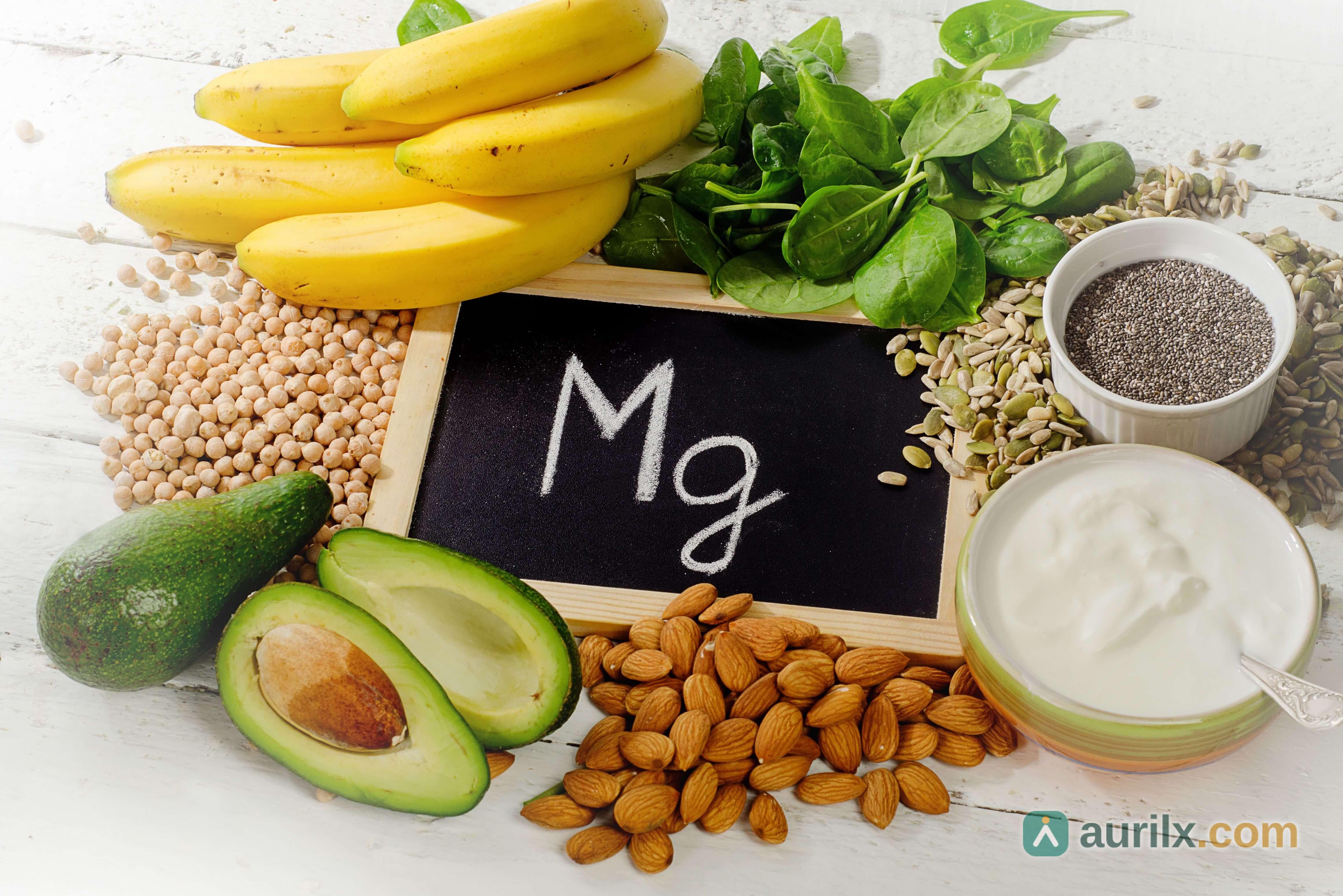
The final supplement to make sure you include is a magnesium and calcium combination. If you already drink plenty of milk or eat other dairy products, you may not need added calcium, and magnesium alone will be enough.
This is another nutrient that many people do not get enough of from food, and it can support your sleep cycle. Taking it right before bed may help you fall asleep more soundly, so your body gets the rest and recovery it needs for optimal performance in your next workout session.
Magnesium also supports the production of insulin-like Growth Factor, which helps your muscles grow larger and stronger. It also helps relax the CNS, so after a hard workout session, it may help provide the rest you need.
It is also important for keeping bones healthy and strong, so it works alongside vitamin D and calcium to help prevent breaks and fractures.
One thing to remember, though, is that too much magnesium can cause diarrhea, so you need to monitor your intake. Supplement with 400 mg per day for men and 300 mg per day for women to stay within safe levels.
If diarrhea does start, stop taking the supplement for a few days, then begin again. It builds up in your body, and that is what can lead to this issue.
So there you have a closer look at some of the top supplements you should be using. If you are not taking them now, visit your supplement store and pick them up so you can start seeing optimal results moving forward.